

Ninomiya Sontoku no Yukari Pine Avenue
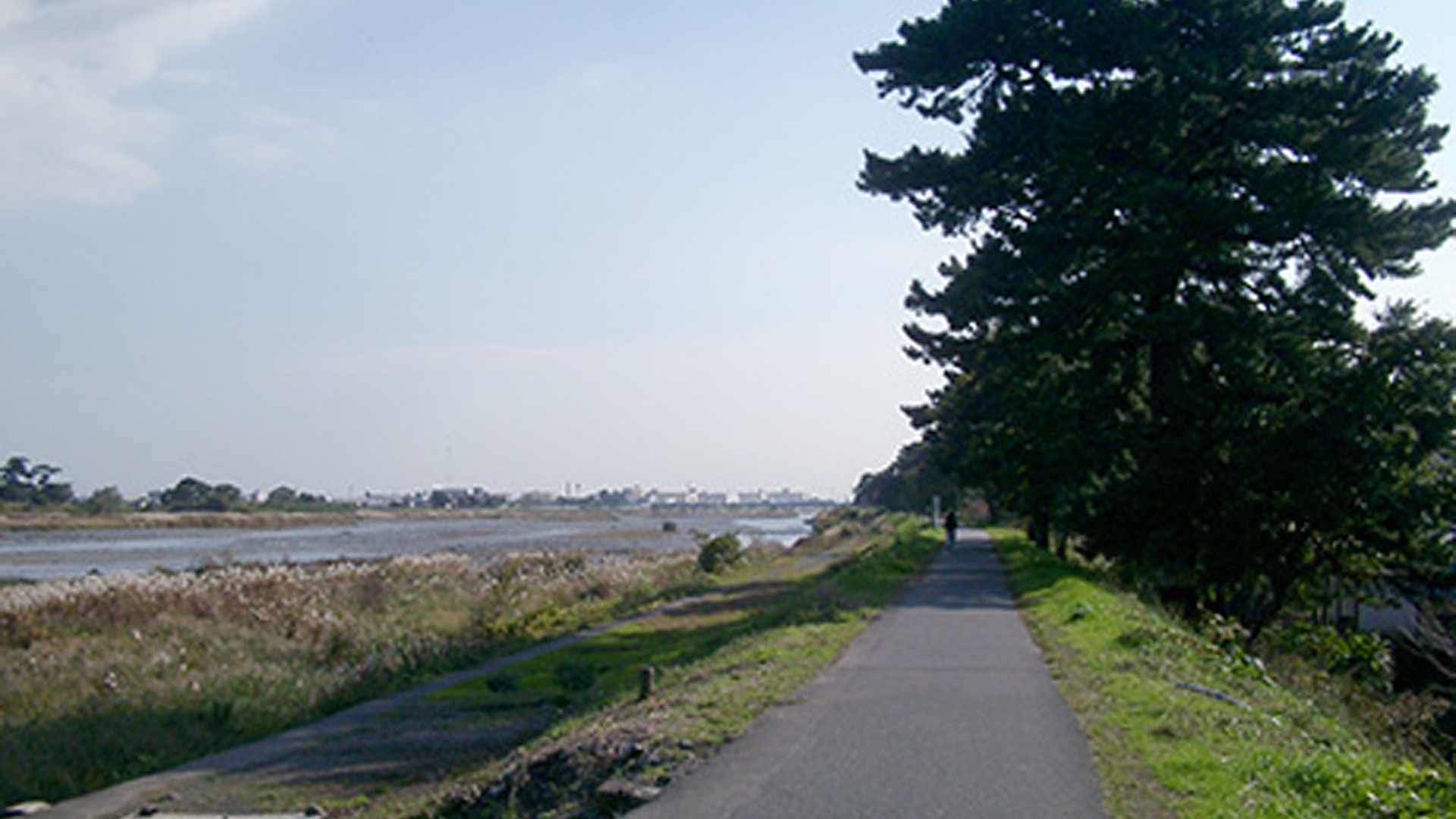
It is said that the 400 black pines by the levee up to the estuary were planted by Ninomiya Sontoku, an agricultural leader of the Edo era, with money he received as rewards from his nursemaid.
Total: 1715 items
It is said that the 400 black pines by the levee up to the estuary were planted by Ninomiya Sontoku, an agricultural leader of the Edo era, with money he received as rewards from his nursemaid.
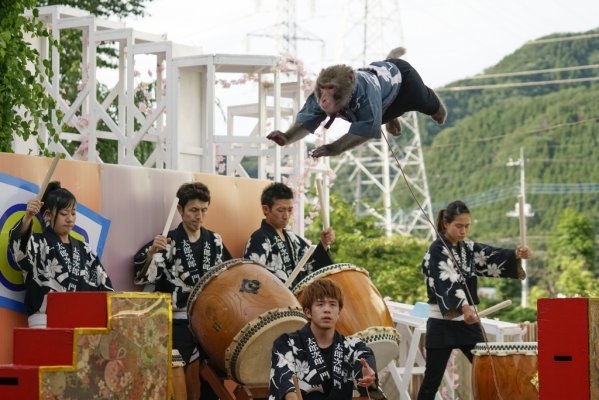
Visitors at this leisure facility can enjoy watching monkeys act in plays, do street performances, and more. It is famous for having produced Taro and Jiro, a trainer-monkey pair that was once the star of many TV commercials. In addition to the exhibit areas, the facility also a number of attractions where visitors can play with the monkeys. The area where visitors can take a photo while holding baby Japanese macaques is gaining popularity."
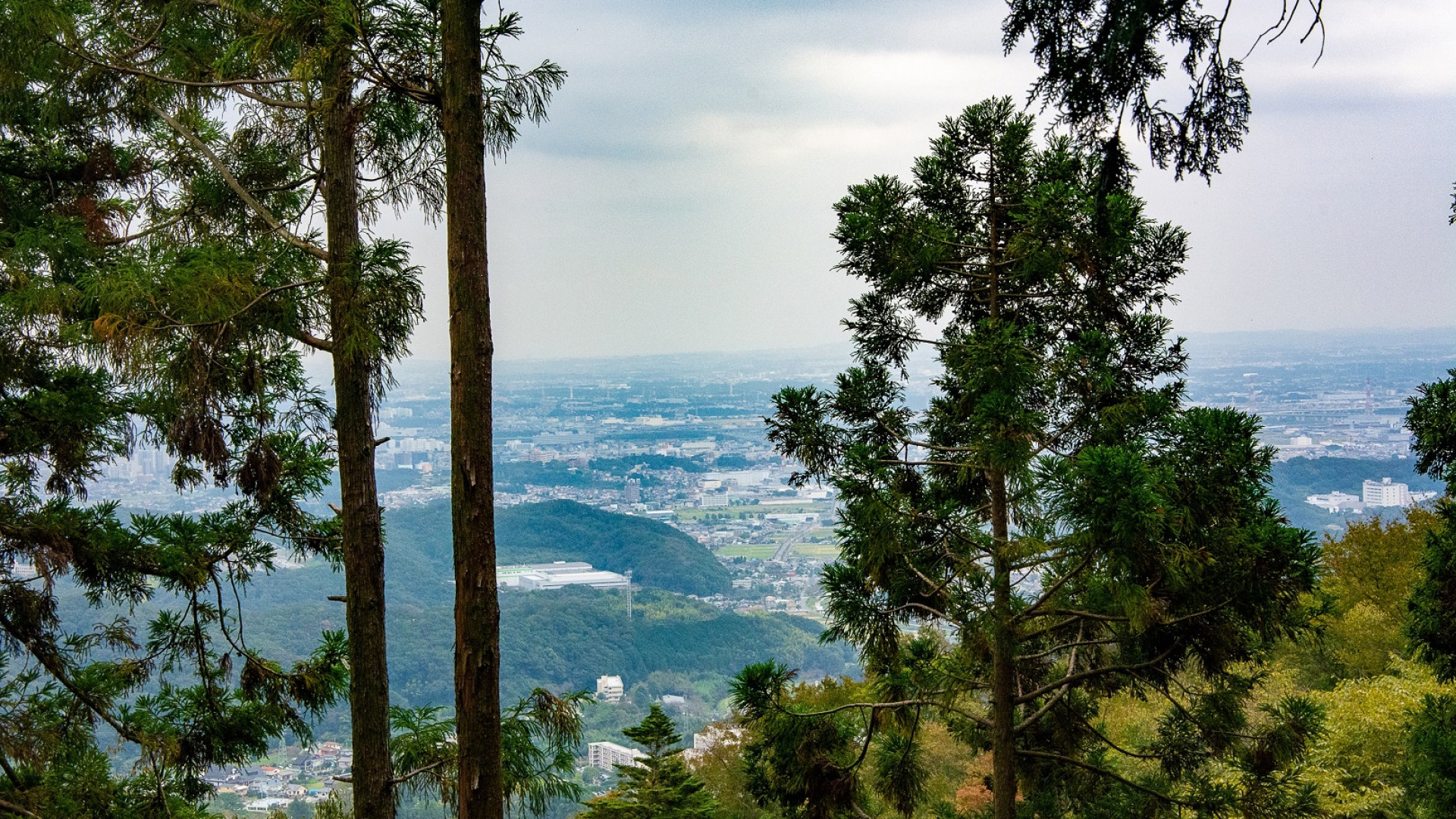
Sano yakuyoke-daishi is the popular name of this Tendai Buddhist temple in Sano City, Tochigi Prefecture. The name was made famous via TV commercials. A protective statue of the priest Ryogen is installed, so the temple has become associated with warding off misfortune. It’s one of the three main Tendai temples of the Kanto region for improving your luck, so every New Year’s Day people pour in for Hatsumode, the first prayers of the New Year."
While the Enoden railway boasts a mere 10km track length, it runs through a richly varied and captivating landscape. It threads its way through residential neighborhoods, skimming past rooftops, traversing iron bridges and tunnels, and weaving along the coastline and through mountain valleys. On clear days, passengers can glimpse Enoshima Island and Mount Fuji from the train windows, evoking a sense of adventure. Popular tourist spots dot along the train line, including Enoshima, Shichirigahama Beach, and the ancient city of Kamakura, allowing you to savor scenery where history, nature, and townscapes harmonize. We invite you to ride the Enoden and enjoy a moment of true relaxation.
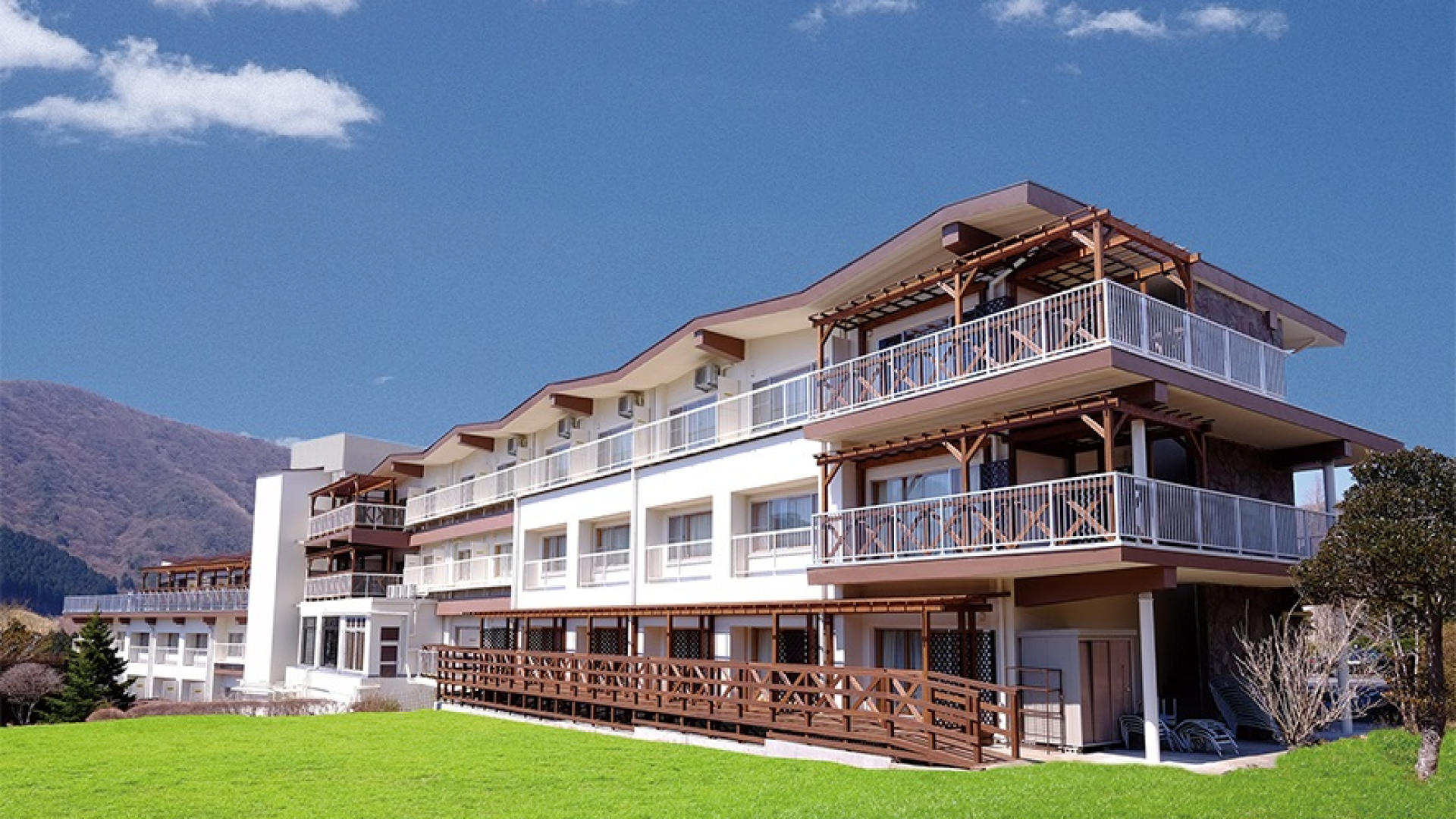
Hakonekogen Hotel has great spas. Its hot spring water contains a large amount of carbon (hydrogen carbonate ions and free oxygen). Because the iron ions subside into the water, the water has a brownish-red color.*Day trip to spa 12pm-4pm (Reception closes at 15:30)
The association comprises 13 breweries located in and around northwestern Kanagawa Prefecture. They introduce activities together with Japanese sake made by using the underground water of the Tanzawa Mountains, regarded as one of the three great wells of Japan. With all 140 varieties of local sake produced by Kanagawa Kuramotoya (inside Kanagawa Sake brewing association) on hand, we look forward to welcoming you. You can also make your own original sake tasting book.
Storehouse style buildings scattered in the Misaki Shitamachi Shotengai create an atmosphere of Showa period. The Shotengai offers various specialty foods, including Misaki Tuna. Annual events are: "Chakkirako (UNESCO Intangible Cultural Heritage)" on January 15, and "Miura Yoichi" in August.
Enjoy Misaki tuna, wild bluefine tuna, and other fresh seafood delivered straight from the market! Experience authentic fishing port cuisine as deliciously reasonable prices!
You will walk on the road along the mountain fields. From Kotakuji Onsen, you will walk on the forest trail and see the impressive waterfall, Ogama Benzaiten, and then enter the mountain trail. After passing the curved path, you will hike up a ridge that ascends 400 meters of Hinata-yama.
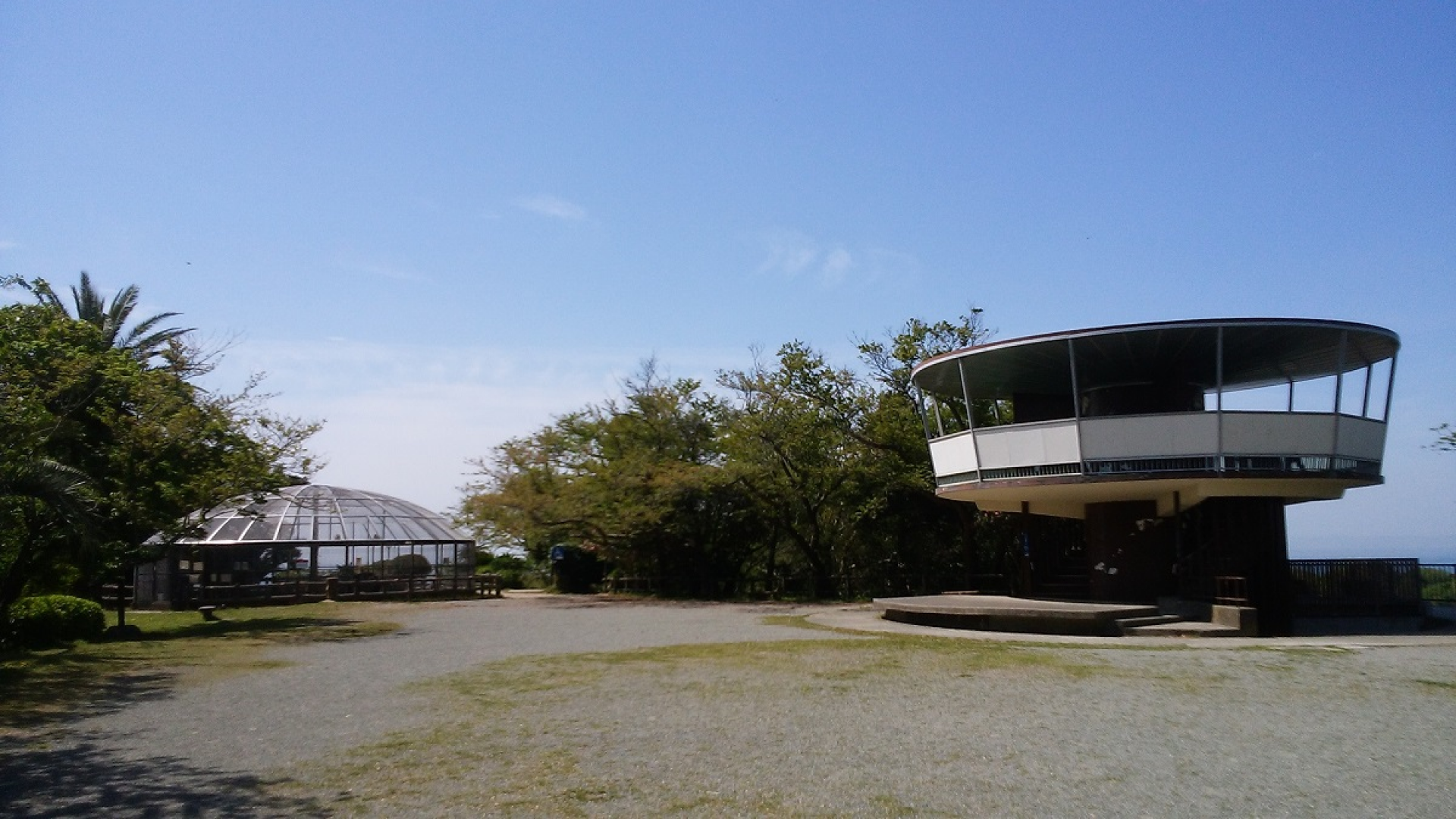
Located on the peak of the gently-sloping Hiroyama, you can enjoy a view of Sagami Bay, Enoshima Island, and Mount Fuji. Besides observatories, there are also monkey enclosures and animal enclosures.
It is a cultural facility in Kamakura-shi. The large hall, which has excellent acoustics, has a view of a bamboo forest from the lobby, and also has a buffet that serves food and drinks. It consists of small halls, galleries, meeting places, conference rooms, Japanese rooms and other facilities.
Yokohama Sky Cruise provides a sightseeing flight by helicopter and cruise service. Any group, including couples celebrating anniversary, families and friends, can enjoy the night view and town scape from the sky. The helicopter flies over Yokohama port area at an altitude of 450 to 600 m and at a speed of 200 km an hour. You can enjoy refreshing flight with a top-down view of Yokohama, such as town scape and Bay bridge, from before sunset to after dark.Take to the air with a helicopter. You’ll get a special experience looking down on the port city with the night view spread out below. There are 5 to 10-minute plans that tour Yokohama Port as well as 20 to 30-minute flights over the Tokyo city center or out towards Enoshima.
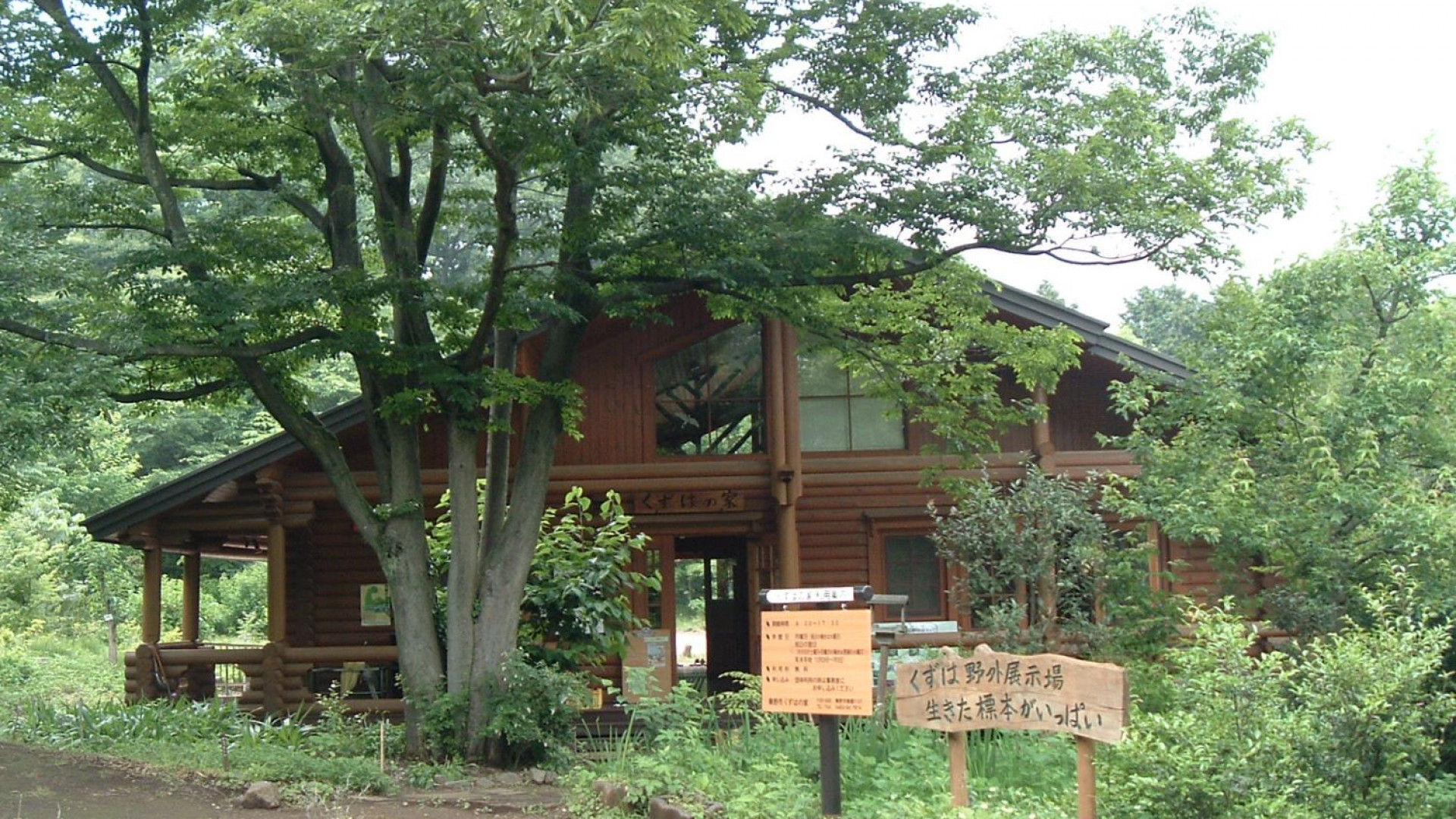
The Kuzuha Green Space, which consists of the Kuzuha River, which runs almost in the centre of the Hadano Basin, and a canyon surrounded by abundant greenery, was designated as" Kanagawa's National Trust No. 1 Green Space" in 1987. "Kuzuha no Ie", which is a base for nature observation, was opened in 1998, and visitors can get close to nature and also holds nature observation meetings, seasonal gatherings and nature observation instructor training courses, and various other activities to encourage nature protection. In addition, we are engaged in work to pass on the conservation of the space to future generations through appropriate management such as nature surveys, tree pruning, and mowing.
The largest arcade in the East was built in 1956 in the temple town home to Yokohama's oldest ancient temple, Gumyoji Kannon. Nowadays, it is surrounded by two stations and is loved by many people due to its environment, particularly the cherry blossom promenade on the Ooka River, which runs through the center of the shopping district.
The Yokohama Three Towers were nicknamed by a foreign sailor in the early Showa Period based on the face cards; Kanagawa Prefectural Government Building as the King, Kanagawa Customs Building as the Queen, and Yokohama City Port-opening Memorial Hall as the Jack.
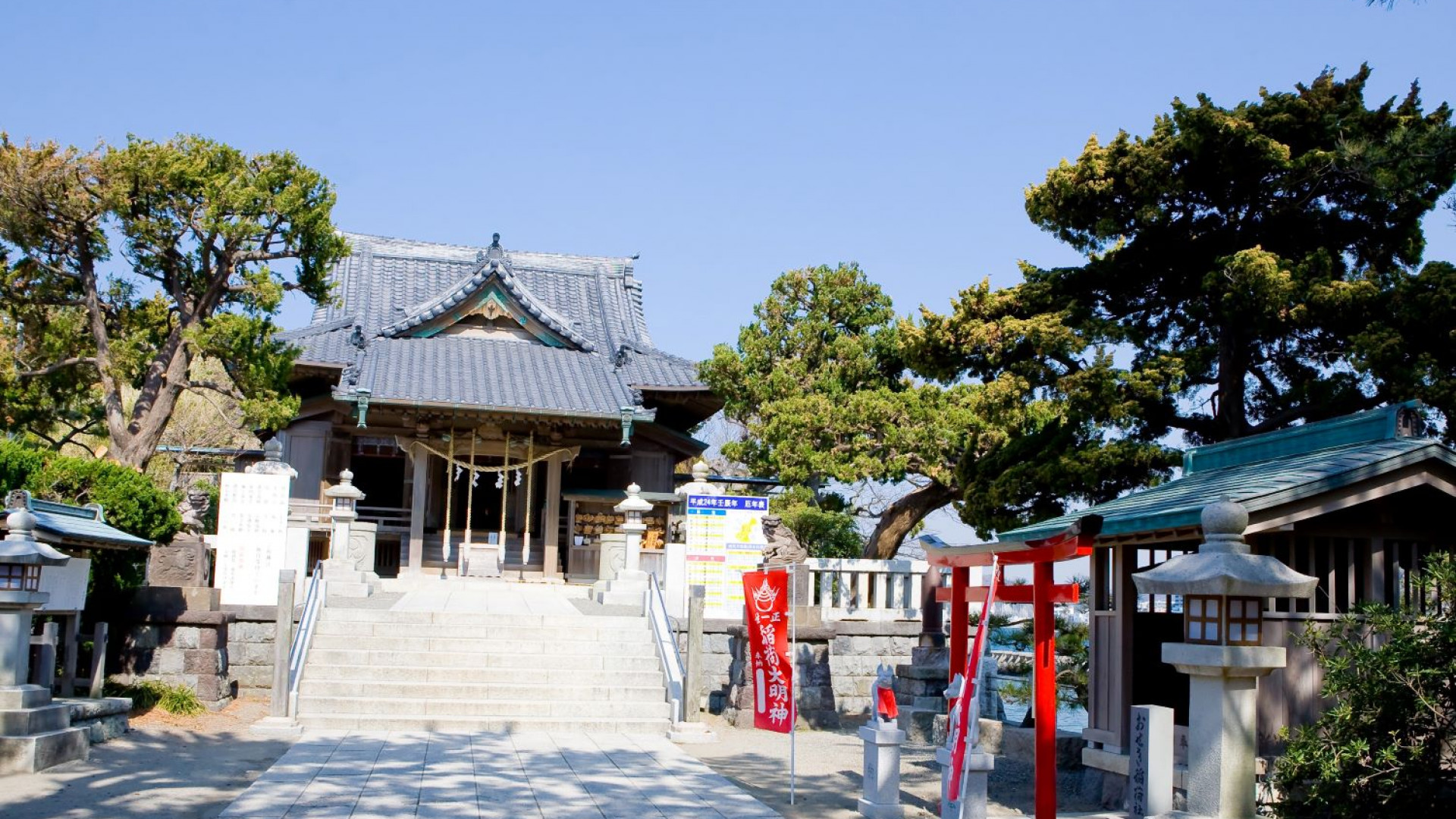
It was founded by Minamoto no Yoritomo to invite the spirits of Mishima Taisha and has a beautiful evening view, selected as one of the 50 most scenic spots in Kanagawa. Come and enjoy the view of the sun setting against Mt. Fuji! It was famous as a sacred place, used for exorcism since ancient times, especially during the Kamakura period. It is now a sacred place for children, visited by many people from all over Japan.
Savor the picturesque scenery of the Miura Peninsula on this topless doubledecker bus as you head for the abundant nature of Jogashima, which boasts 2 Stars in the Michelin Green Guide. Both one-way and round-trip courses are offered.
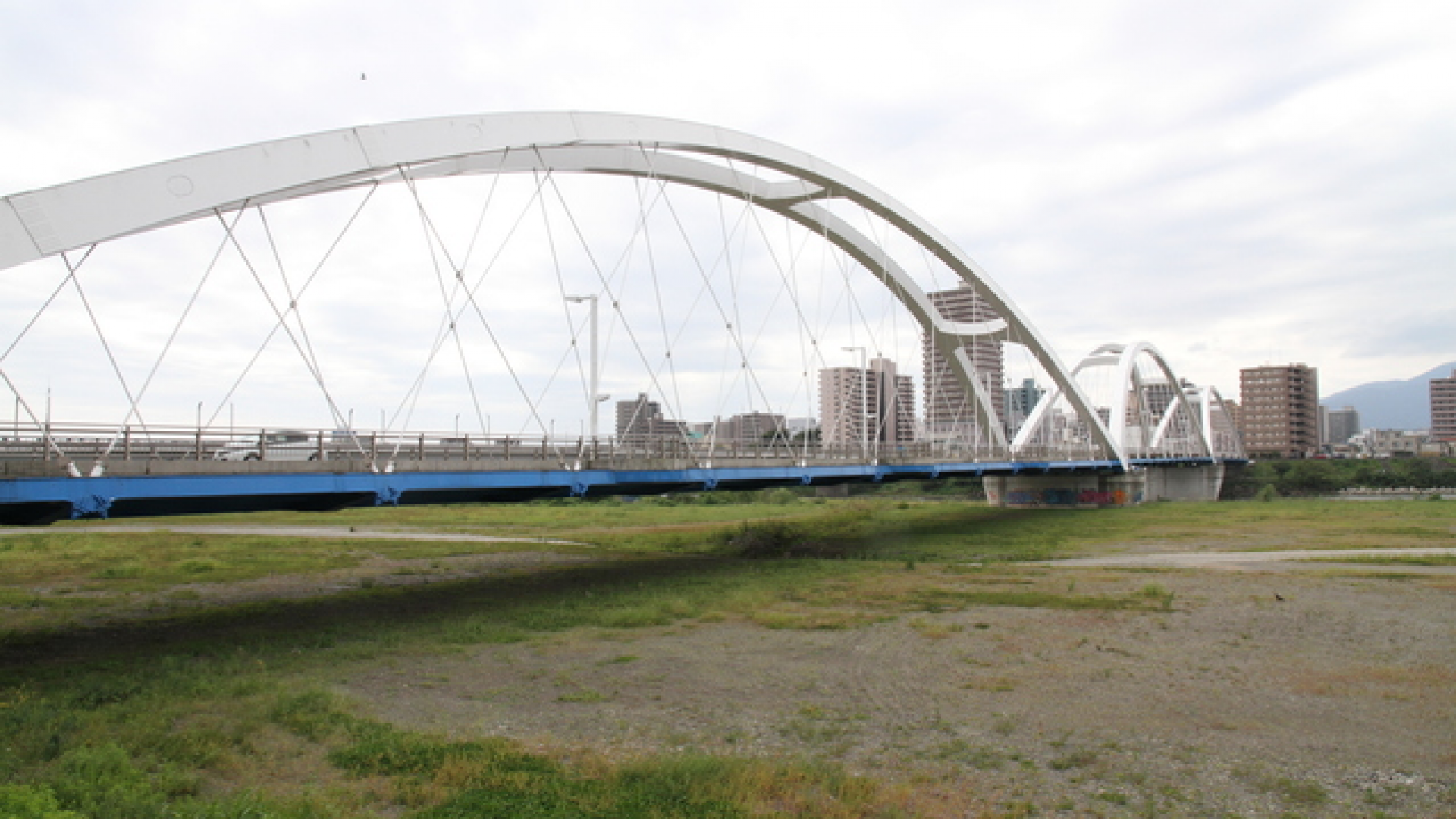
It is a bridge over Sagami River which connects Ebina City and Atsugi City. Initially, it was designed to be underwater during a flood so that it could easily be rebuilt even when it was washed away. In 1996, however, it was constructed as a permanent bridge.