

Greater Tokyo

See & Do

reset
TIVOLI Sweets Factory

TIVOLI Sweets Factory

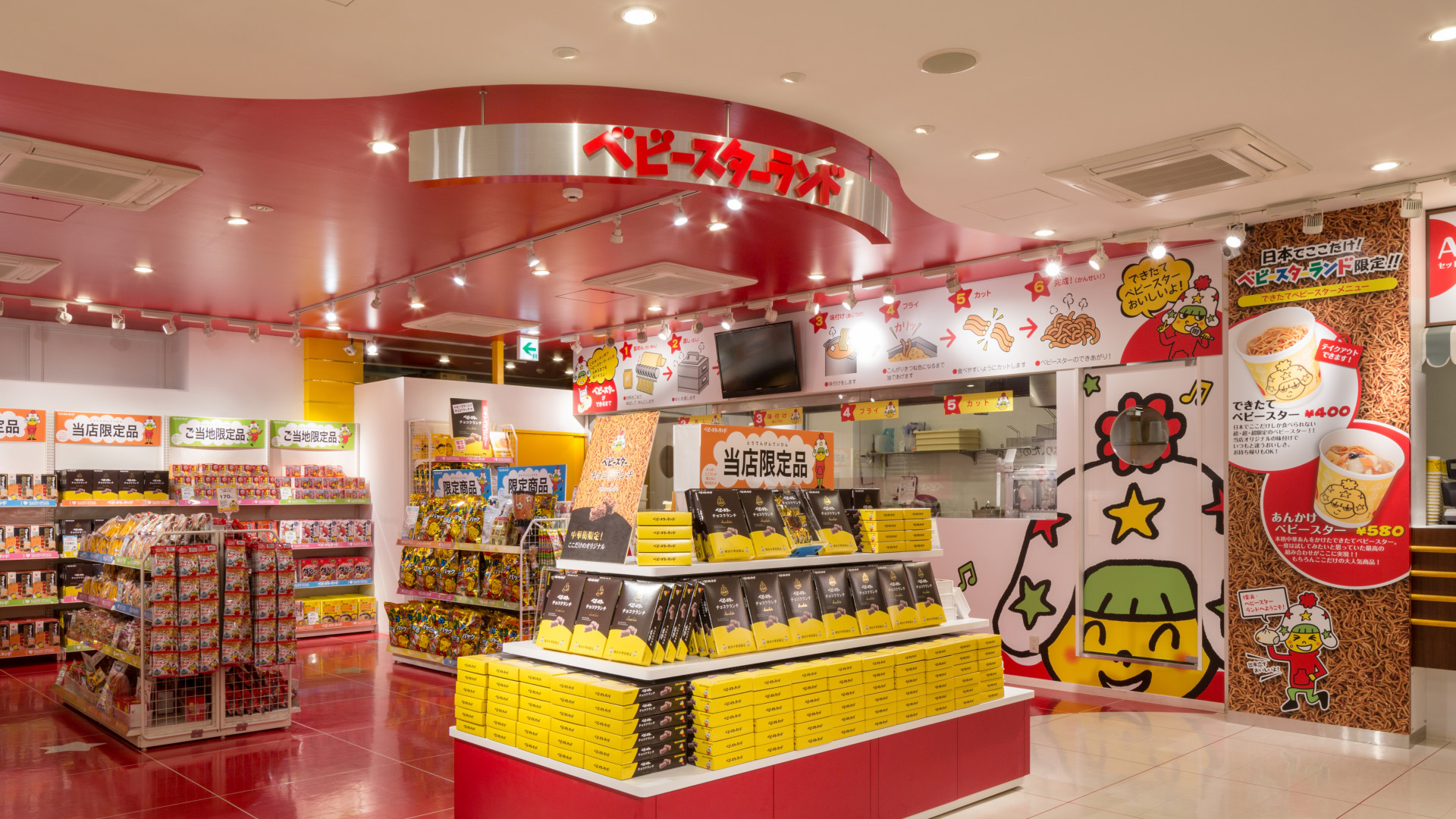
TIVOLI is confection maker which opened in November 2017 that produces assorted cookies and boasts the top share in the domestic market. This is their only facility for factory tours and direct retail. The theme is “sweet factory for the five senses.” From the second floor, visitors can observe the staff working and the robots moving nimbly as the sweets are produced. They also offer opportunities for guests to try making their own sweets. Small children can also participate. Guests can also enjoy learning about confection production and eat the freshly baked goodies.

Experience & Activities Tokaido Koshu kaido KANAGAWA
Jogashima

Jogashima

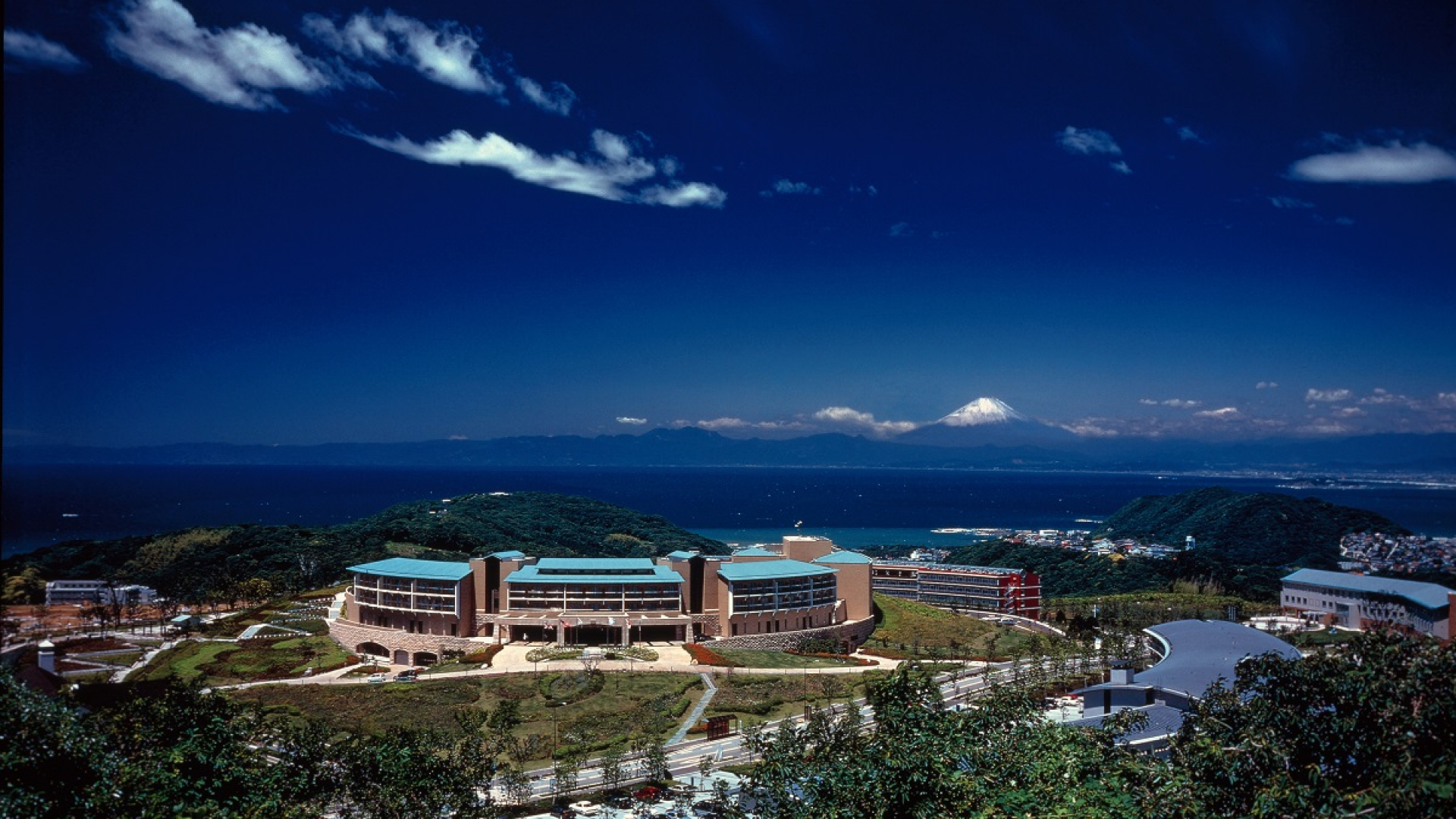
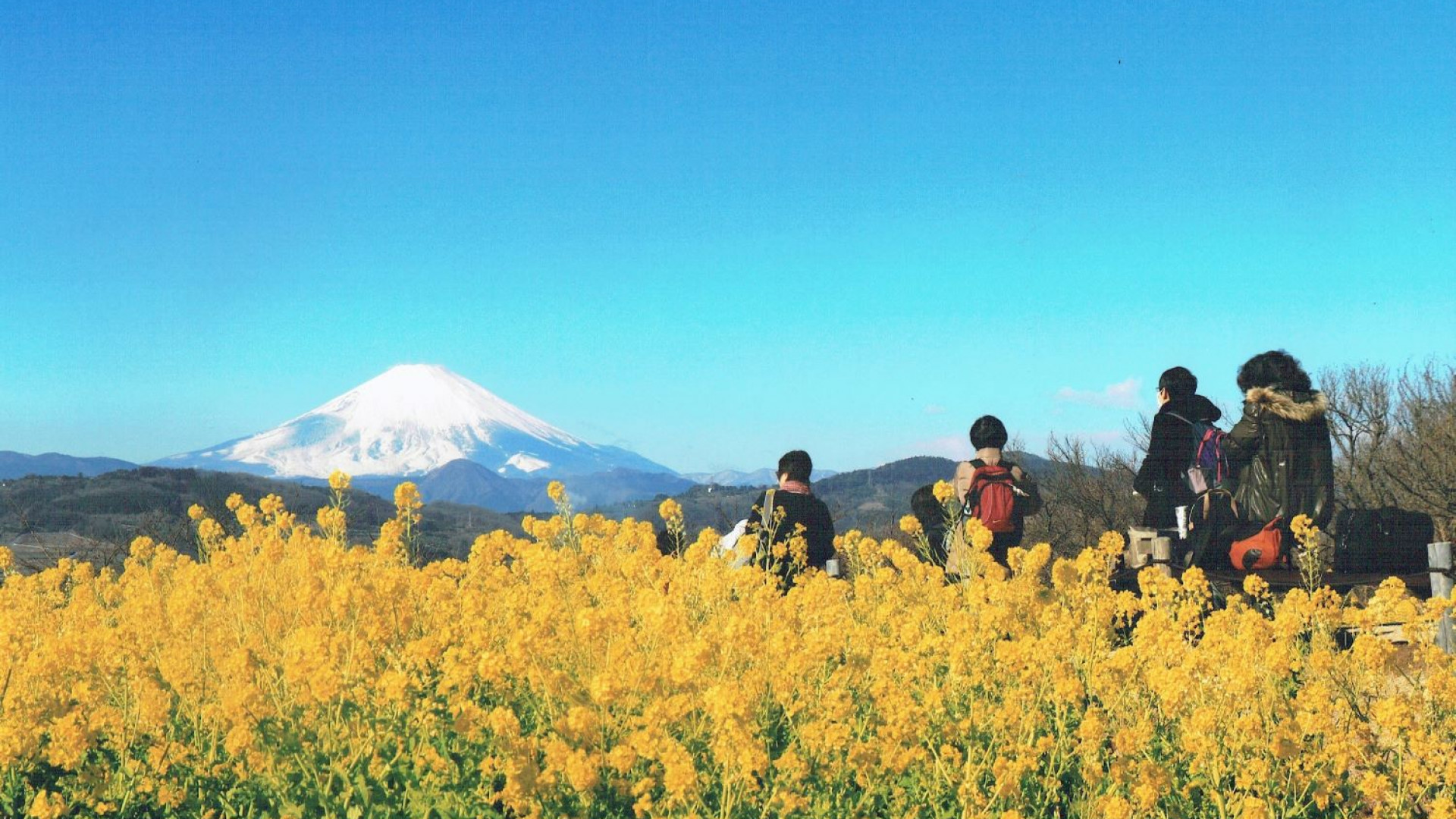
The island has been listed as a two-star destination in the revised third edition of Michelin Green Guide Japan. It has many scenic spots, with the southern hiking course offering views of the majestic Pacific Ocean and the strangely-shaped rock ‘Horseback Cave Mouth', while on the western part of the island, you can see views of Mt. Fuji over Sagami Bay. In addition, about 700,000 double-flowered daffodils planted all over the island are at their best from mid-January to early February.The southern part of Joagashima features untouched nature. Jagged cliffs hang over the white and blue waves, creating a remarkable landscape. It is also home to hiking trails and is a dream site for hikers and photographers alike. On the south side of the island you can find Jogashima Park. The park has an observatory, a picnic area, and a 16-meter-tall green lighthouse with a vegetable motif, the Awasaki Lighthouse. The gorgeous cliffs make a perfect place for hiking and resting.Jogashima is a wonderful place to visit at any time of the year. In particular, from mid-January to mid-February, approximately 700,000 double-layered daffodils are in full bloom. You can also observe the Japanese cormorant, which is designated a protected species by Kanagawa Prefecture.

Nature & Views Tokaido Koshu kaido KANAGAWA
Zou-no-Hana Park

Zou-no-Hana Park

ZOU-NO-HANA Park, located in Kaigan-dori 1-chome, Naka-ku, was opened on June 2, 2009, and is the birthplace of the Port of Yokohama. On the 150th anniversary of the opening of the Port of Yokohama, the ZOU-NO-HANA breakwater was restored to its mid-Meiji Period shape. ZOU-NO-HANA Terrace, one of the many facilities established within the park, is a combined rest area and art space that hosts a wide variety of cultural programs including traditional arts, performing arts, music, and other genres, aiming to become a space where various people and cultures meet, connect, and create new culture. In keeping with this concept, the ZOU-NO-HANA Café strives to spread art through regularly scheduled events and offers a visually pleasing and creative menu devised by artists and creators alike. Dining overlooking the Port of Yokohama's Osanbashi International Passenger Boat Terminal and other harbor scenery from inside the restaurant is one of the unmatched pleasures of the ZOU-NO-HANA Café experience.

Nature & Views Tokaido Koshu kaido KANAGAWA
Sagami Puppet Show Federation

Sagami Puppet Show Federation

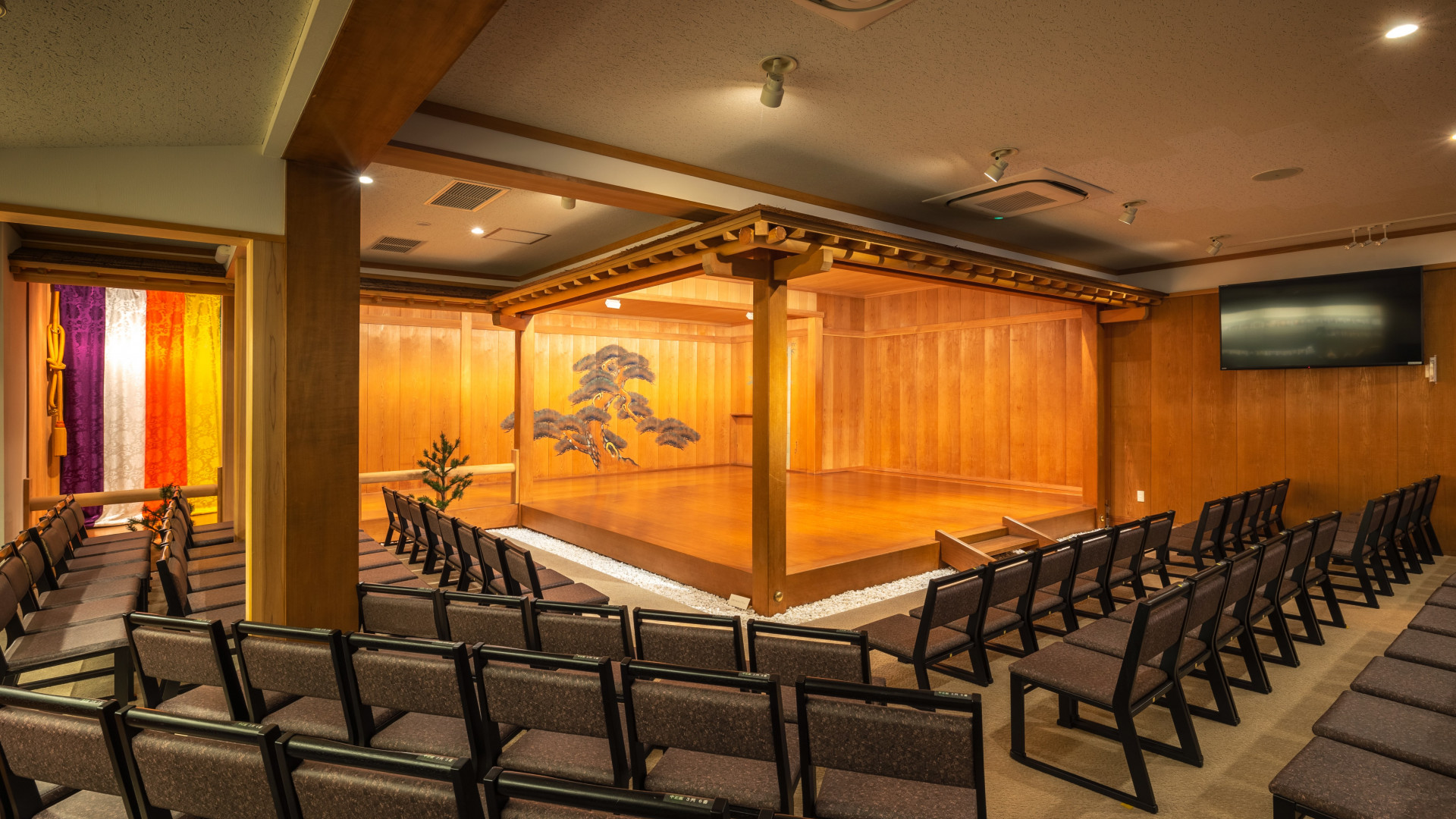
Sagami puppet show, a form of Japanese puppet show with shamisen accompaniment that was conveyed to Sagami Province in the Edo Period, is a traditional art that was originally nurtured in Kagawa Prefecture. It is characterized by san-nin zukai, referring to the operation of puppets by a trio of puppeteers, and teppozashi, which refers to the appearance similar to aiming a rifle when operating the puppet’s head. Performances can be arranged at the MICE venue.  (Reservations: 8650@city.atsugi.kanagawa.jp)

Culture & Arts Tokaido Koshu kaido KANAGAWA
Old Hakone Highway Cedar-lined Road

Old Hakone Highway Cedar-lined Road

The Hakone Old Highway was once part of the Tokaido Highway, established by the Edo Shogunate at the beginning of the Edo period (1603-1867), and was known as the most difficult part of the Tokaido Highway to cross, stretching roughly 32km from Odawara-juku to Mishima-juku via Hakone-juku by Lake Ashi. Even today, some of the roadways from those days remain on the east (Hakone Town and Odawara City) and west (Mishima City and Kannami Town) sides of Mt. Hakone, where stone-paved paths, rows of pine and cedar trees, distance milestones, and even a reconstructed Hakone Sekisho (barrier) can still be seen. The cedar trees, which are found only along Lake Ashi, are believed to have been planted because they were suited to the climate of Mt. Hakone, whereas most of the trees along the highway are pine trees. Walking among the rows of cedar trees, some of which are more than 350 years old and some of which have grown up to 30 to 40 meters high, you are sure to experience the ancient highway as if an Edo-era traveler.This hiking path, as well as Hakone Shrine, are the two best places to see magnificent cedar trees. Descending is easier than the climb, but is tough on the knees.

Nature & Views Tokaido Koshu kaido KANAGAWA
Tsumada Yakushi

Tsumada Yakushi

The temple enshrines Yakushi Nyorai, known as the Buddha who saves people from illness, injury, and other suffering. In particular, the dumplings served on the temple fair, also known as "omedama-san," are said to be beneficial for eye diseases. There are many cultural assets on the temple grounds, including the Yakushido Hall, camphor tree, and bronze bell. The current Yakushido was reconstructed in 1758, but the raigo-hashira (pillars that surround the kitchen) are the same as those used when the temple was rebuilt in 1584. It is written in the Shinpen Sagami-no-Kuni Fudoki Manuscript that the earlier building was destroyed by fire during the attack on Odawara Castle by the Takeda clan in 1569. The temple is open to the public once every 60 years on the Kanoetora anniversary of the opening of the main sanctuary. The next one will be in 2070.

Temples & Shrines Tokaido Koshu kaido KANAGAWA
Sankeien Garden

Sankeien Garden

The vast classical Japan garden covering over 175,000 square meters was opened by Hara Sankei, a businessman who made a fortune with the Japanese silk trade. Rinshunkaku, the Three-Storied Pagoda of Old Toumyouji are amongst the properties designated as Important Cultural Properties by the Japanese government. The garden is also a famous viewing spot for plum and cherry blossoms, azaleas, and autumn leaves. Business hours are extended during special events.Experience a traditional Japanese Garden while learning a little history about Mr. Hara Sankeien, the designer. Grab a brochure at the entrance to find out which of the historic buildings are currently open for your exploration.Sankeien Garden holds a "Cherry Blossom Evening" from late March to early April every year. During the night event the beautiful lit-up cherry blossoms with a backdrop of historical buildings will take your breath away.

Nature & Views Koshu kaido Tokaido KANAGAWA