
Greater Tokyo

See & Do

reset
Oyama Honba Yuki Tsumugi Craft Museum

Oyama Honba Yuki Tsumugi Craft Museum

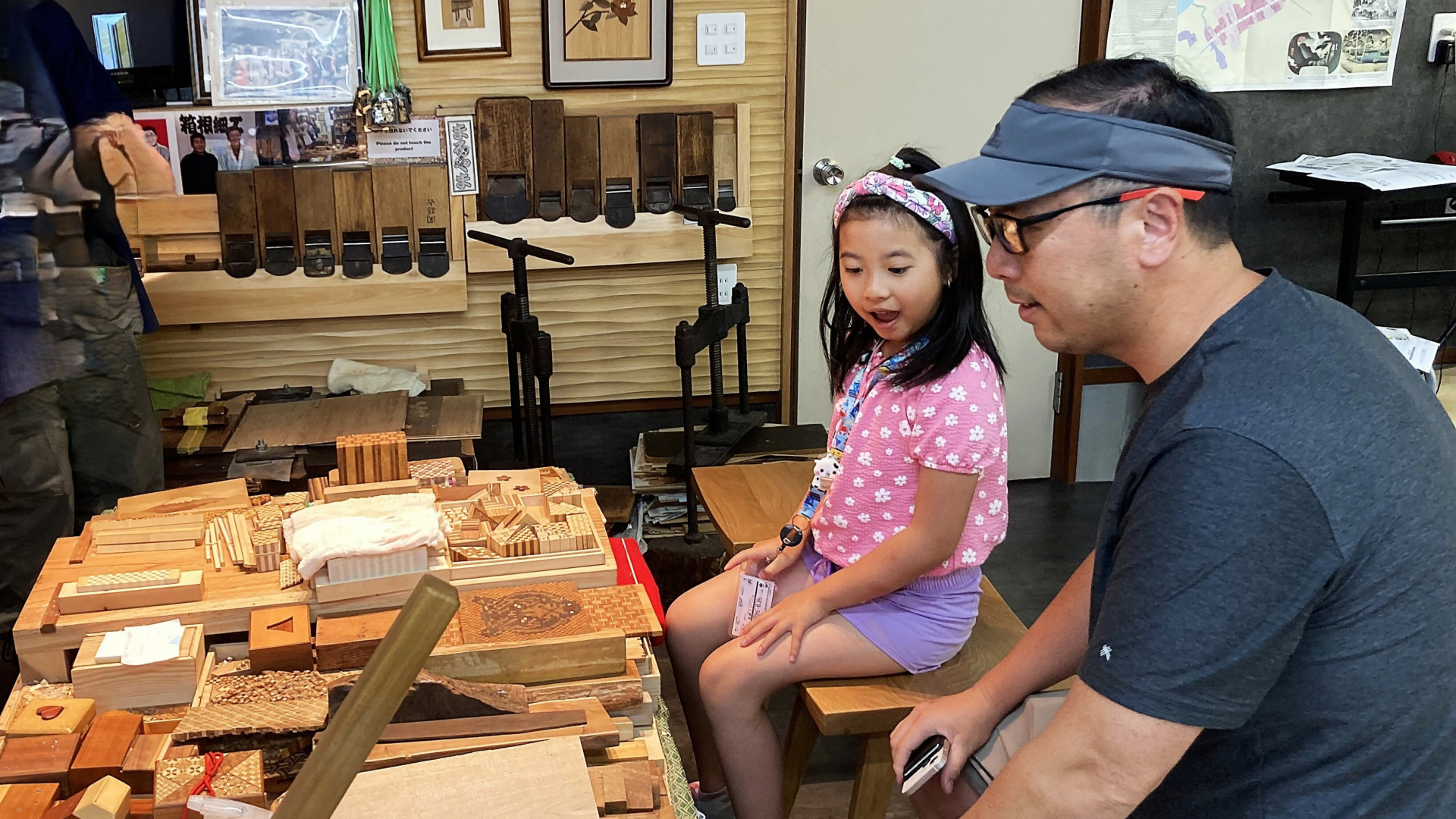
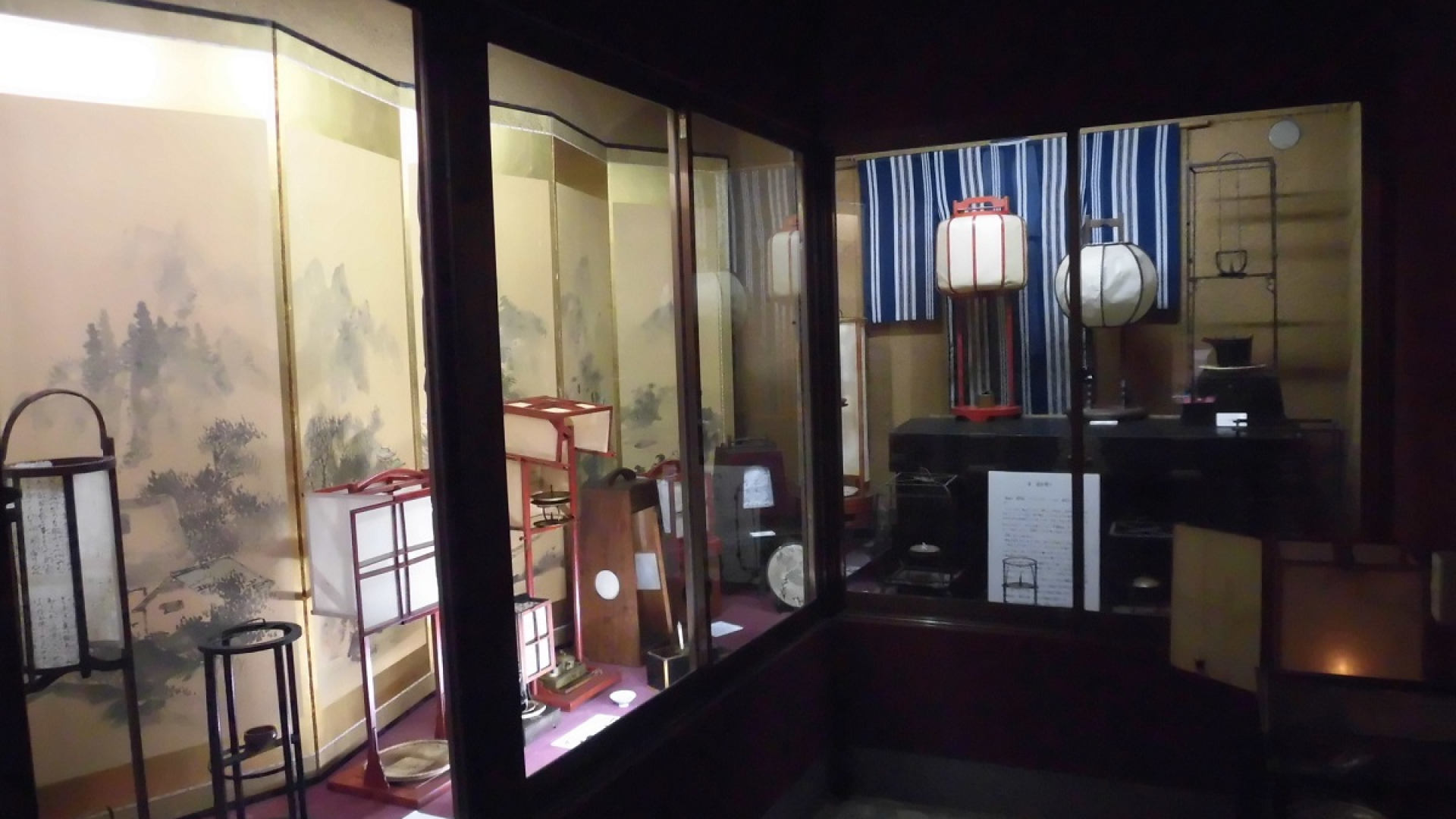
What is Yuki Tsumugi?Yuki Tsumugi is a traditional silk fabric originating from Oyama City in Tochigi Prefecture and Yuki City in Ibaraki Prefecture, with a history dating back to the Nara period. Once valued for its durability, it is now prized as a top-class handwoven silk for its light yet strong texture. Oyama Honba Yuki Tsumugi Craft MuseumHonba Yuki Tsumugi is entirely handcrafted and was inscribed on UNESCO’s Representative List of the Intangible Cultural Heritage of Humanity in 2010. The Oyama Honba Yuki Tsumugi Craft Museum is dedicated to promoting this traditional art and offers the following experiences: Craftsman Demonstrations: Watch up close as artisans spin silk threads and weave on looms. Hands-on Weaving Experience: Try your hand at weaving under staff guidance (advance reservation recommended). Kimono Experience: Select your favorite Yuki Tsumugi kimono pattern and stroll through the streets of Oyama (some accessories require an additional fee). Closed on Mondays and during the New Year holidays. Some activities require ID and advance booking.

Nikko kaido Oshu kaido TOCHIGI
Oku-Nikko Nature Guide Tour (Oku-Nikko Guest House JUN)

Oku-Nikko Nature Guide Tour (Oku-Nikko Guest House JUN)

The Oku-Nikko region is home to a compact collection of various environments, including waterfalls, lakes, rivers, marshes, wetlands, forests, and high mountains. The elevation ranges from approximately 1,200 meters near Lake Chuzenji to over 2,000 meters at Mount Nantai and Mount Nikko Shirane. As a result, you can enjoy a variety of plants, animals, and wild birds throughout the seasons on numerous hiking trails. Why not join a guide and explore the diverse landscapes of Oku-Nikko?

Oshu kaido Nikko kaido TOCHIGI
Nasu Onsen Sanraku

Nasu Onsen Sanraku

Sanraku, standing in serenity on the famous summer retreat, Nasu Highlands, is a long-established ryokan inn with a history of over 100 years. Its open-air baths feature the natural hot spring water flowing directly from the inn’s on-premise spring that produces as much as 800 liters per minute. This pure onsen water reaches the tubs without treatments such as heating, circulation, or filtering. Sanraku also has guest rooms with an open-air bath for you to enjoy a soak in privacy. For dinner, you will be treated to a multi-course kaiseki meal prepared with hand-picked seasonal ingredients. It features dishes that reproduce the four seasons of Japan and the earth's blessing. Guest rooms are furnished in Japanese style with a fusion of elegance and sophistication, and precious wood fills the room with a noble smell. You can also enjoy high-quality amenities with Japanese charm throughout the facility. 【About the hot spring】 Water color: clear Spring water type: simple spring water Efficacy: alleviates joint pain, sore muscles, sensitivity to cold, fatigue, sleeplessness, etc.

Nikko kaido Oshu kaido TOCHIGI
Nikko Senhime Monogatari

Nikko Senhime Monogatari

At Nikko Senhime Monogatari, you can enjoy the view of Nikko’s nature from the guest rooms. The view is spectacular: mountains turn light green in spring, cool breezes sweep across the river in summer, an explosion of yellow and red creates a beautiful mountain view in fall, and the view of the mountains and river as if covered by a snow-white wedding dress brings you peace of mind in winter. Guest rooms are designed with a taste of traditional Japanese beauty. There are Japanese-style twin rooms with a bath that is half open-air and half indoor, from which you can enjoy a view that changes with the season. (Baths in guest rooms are not hot spring baths). The communal baths use Nikko hot spring water from this area. Nikko hot spring water is clear, alkaline, and gentle on the skin, alleviates stiff shoulders and nerve pain, and beautifies skin. It is the perfect hot spring to heal the body after a day of enjoying walking around Nikko. 【About the hot spring】 Water color: clear Spring water type: simple alkaline spring water Efficacy: alleviates stiff shoulders, nerve pain, sprains, sore muscles, sleeplessness, etc.

Nikko kaido Oshu kaido TOCHIGI
STEAK HOUSE JYURAKU

STEAK HOUSE JYURAKU

Steak House Jyuraku serves Tochigi Wagyu. Tochigi Wagyu is a Japanese Black breed carefully raised in the grand nature of Tochigi. It is brand beef that has received the Award of Excellence many times at the national Wagyu fair in Japan. The steak house purchases Tochigi Wagyu directly from its producers and thus has full confidence in the meat quality. You will never forget the fine and delicate meat texture and its aromatic fat once you try it. Jyuraku’s recommendation is A5 Tochigi Wagyu steak. The Sirloin has beautiful marbling, a rich taste, and a texture that melts in your month. The Fillet is red meat that is very tender and moist. Please come and try the Wagyu steak that Jyuraku proudly presents.

Nikko kaido Oshu kaido TOCHIGI
กริลล์แอนด์สเต็ก เมียวเง็ตสึโบ (Grill&Steak Myogetsubo)

กริลล์แอนด์สเต็ก เมียวเง็ตสึโบ (Grill&Steak Myogetsubo)

เมียวเก็ตสึโบ (Myogetsubo) เป็นร้านอาหารที่เชี่ยวชาญด้านสเต็กและปิ้งย่าง ตั้งอยู่ในอาคารที่ได้รับการปรับปรุงใหม่จากที่พักเดิมของวัดนิกโกซังรินโนจิ ซึ่งมีประวัติศาสตร์ยาวนานกว่า 1,250 ปี สิ่งที่ไม่ควรพลาดของที่นี่คือสเต็ก “โทชิงิวากิว” เนื้อวากิวคุณภาพสูงจากญี่ปุ่น โทชิงิวากิวเป็นเนื้อวัวขนดำที่มีเกรด A4 ขึ้นไป โดยวัวจะถูกเลี้ยงในสภาพแวดล้อมธรรมชาติที่สมบูรณ์แบบของจังหวัดโทชิงิ ทำให้เนื้อวัวสายพันธุ์นี้ได้รับรางวัลคุณภาพยอดเยี่ยมระดับประเทศ 2 ปีซ้อน ลองลิ้มรสเนื้อโทชิงิวากิวในบรรยากาศที่ล้อมรอบไปด้วยมรดกโลก พร้อมสัมผัสความสง่างามของอดีตในช่วงเวลาที่หรูหราและเงียบสงบ

Nikko kaido Oshu kaido TOCHIGI
Grill&Steak Myogetsubo

Grill&Steak Myogetsubo

Myogetsubo is a grill & steak restaurant. Its building has been renovated from a former lodging house of Nikkozan Rinno-ji Temple, a temple with over 1,250 years of history. Our recommended dish is the authentic Tochigi Wagyu steak. Tochigi Wagyu is one of the top beef brands in Japan. It is a Japanese Black breed rated A4 or higher and is produced in Tochigi Prefecture with a natural environment ideal for cattle raising. Having received the Award of Excellence at the national fair for two consecutive years, Tochigi Wagyu is one of the most recognized wagyu brands in Japan. In an exquisite environment surrounded by world heritage sites, please come and try Tochigi Wagyu and indulge yourself in the slow flow of time while thinking of the distant past.

Nikko kaido Oshu kaido TOCHIGI
Oyama 2,000 Cherry Blossoms Festival

Oyama 2,000 Cherry Blossoms Festival

In late March, Japan's most famous variety of cherry blossom, Someiyoshino, will begin to bloom, coloring the city with its delicate pink flowers. But in Oyama City, the special local variety, Omoigawa-zakura, makes Oyama different. Omigawa-zakura were found in a garden at a local monastery about 70 years ago. Beacause the Omigawa bloom about a week after the Somei Yoshino, meaning visitors can enjoy cherry blossoms for almost a month. Get ready to experience the beauty of Oyama City this spring. Many events and light up held on every cherry bloom spots in Oyama during the cherry blooming. ◆Night cherry blooming spots ①Shiroyama Park(1-1 Shiroyama-cho, Oyama City) ②Mamada Hachiman Park(2330 Mamada, Oyama City) ③Sakura Avenue nearby Toyohogawa River(nearby Kami-ishitsuka, Oyama City) ④Omoigawa Onsen(1475 Kizawa, Oyama City)

Nikko kaido Oshu kaido TOCHIGI
Furusato Miya Festival

Furusato Miya Festival

"Furusato Miya Festival," the biggest summer festival of Utsunomiya City, holds on the first weekend on August every year. It began on 1976 to celebrate 80th anniversary of Utsunomiya City, and became a symbol of the city.   Under the theme of " Meet and Connect," a variety of events will color the summer in Utsunomiya, including dances, Japanese drums, Ohayashi performances, Miyakko parade by children, and Mikoshi (portable shrine) performances, all centering on the main street of Utsunomiya.

Oshu kaido Nikko kaido TOCHIGI
Mt. Kongo Fire-walking Sadhana

Mt. Kongo Fire-walking Sadhana

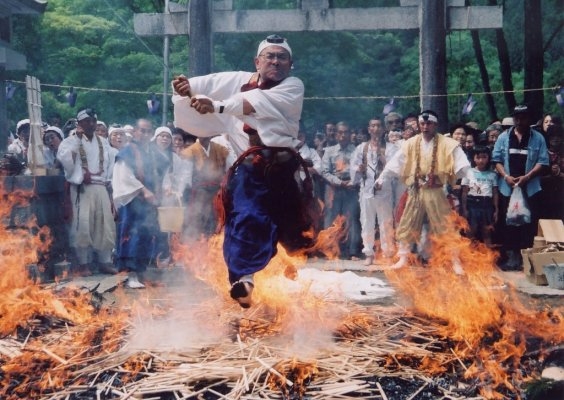
At Mt. Kongo Zuihoji Temple in Furumine, the "Fire-Walking Sadhana Festival" is held on the last Sunday on May, for burning away afflictions, warding off bad luck, and praying for family safety. The ceremony begins with the sound of a shugenja (mountain ascetic) blowing a trumpet shell, followed by the performance of the axe, bow, and sword, and then the flames of the goma are extinguished.   While sutra chanting echoes, shugenjas and participants walk barefoot on the path, praying for protection from bad luck, safety in the home, and the fulfillment of various wishes.   After the ceremony, shugenjas would share tributes (like deserts, sake) with people, which means sharing happiness with each others.  

Nikko kaido Oshu kaido TOCHIGI
Oyama Gion Festival

Oyama Gion Festival

It is said that Suga Shrine was built by a legendary samurai Fujiwara no Hidesato in A.D. 940, and moved to its present location during 1159~1160. The whole shrine is filled with a solemn and serene atmosphere.   In A.D. 1600, before the Battle of Sekigahara, Tokugawa Ieyasu held the famous “Oyama Council” at Suga Shrine and prayed for the victory of the battle. After his victory and the establishment of the Edo Shogunate, Suga Shrine was greatly honored by the Shogunate. In 1658, staff members who had participated in the construction of Nikko Toshogu Shrine, created a miniature version of the Akamikoshi in Toshogu Shrine, which became the pressure of Suga Shrine.   The most important festival of Suga Shrine is "Oyama Gion Festival", on July 14 to 21 every year, 25 mikoshi including one massive one that weighs in at 2 tons are carried through the city.   According to “Shimotsuke Province Choreography(下野国誌)” written in Edo period, Suga Shrine’s “Gion Festival” is the “best Gion Festival in Shimotsuke Province.”   "

Nikko kaido Oshu kaido TOCHIGI
Nasu Yuzen Shrine

Nasu Yuzen Shrine

History of Nasu Yuzen Shrine It is said that a hunter named Kano found onsen here when he was trying to hunt a white deer. He built this shrine for thanksgiving. According to an article written in Nara period (A.D 710~794), we can confirm that the shrine already existed during that time.   During the Genpei War in 12th century, an archer called Nasu Yoichi came here to pray for victory over Taira family’s army. He shot down a fan by one arrow that enemy put on the front of their boat when he stood on the ground. It made him became legend and the shrine became very famous for blessing Yoichi. Yoichi donated his bow and arrow to the shrine, which became shrine’s tressure later.   Shrine’s famous festival The most important event of the shrine is the “Dai Festival”, which is held on October 8 and 9 every year. They dedicate onsen to the God, and perform a traditional dance called “Urayasu Dance”.   Then on October 9, people perform another traditional dance called “Ozawa’s Lion Dance,” which is designated as the “Intangible Cultural Property of Nasu Machi” to pray for prosperity.   There is also a famous festival be held on the last weekend of May, the “Nasu Seshosseki Gojinka Festival”. The highlight of the festival is a parade from Yuzen Shrine to Sesshoseki by participants attired in white clothing with torches.

Nikko kaido Oshu kaido TOCHIGI
THE RITZ-CARLTON, NIKKO

THE RITZ-CARLTON, NIKKO

The Ritz-Carlton, Nikko, the luxury hotel in Nikko National Park, is the first Ritz-Carlton where guests can enjoy a hot spring. Baths source hot spring water from the historic Nikko Yumoto Onsen. Its soft, milky warm water makes you feel the blessing of the nature of Okunikko. Each suite features a private balcony from which you can enjoy the view of scenic Lake Chuzenji and majestic Mount Nantai, both of which are the symbols of Nikko National Park. You will be sure to lose track of time in these spacious guest rooms, which come with a traditional engawa porch and the décor that blends minimalist and traditional Japanese styles together. For dinner, you can have a traditional multi-course kaiseki meal prepared with fresh ingredients produced in Tochigi Prefecture for you to explore the intricate world of Japanese cuisine. The hotel, being amid the grand nature of Nikko, also offers activity programs including hiking and skiing. 【About the hot spring】 Water color: milky white Spring water type: hydrogen sulfide-type simple sulfur spring water Efficacy: alleviates nerve pain, joint pain, and fatigue, and boosts skin metabolism by removing substances causing atopy Note: people wearing a fashion tattoo are permitted

Nikko kaido Oshu kaido TOCHIGI
Okashi-no-Shiro Nasu Heartland

Okashi-no-Shiro Nasu Heartland

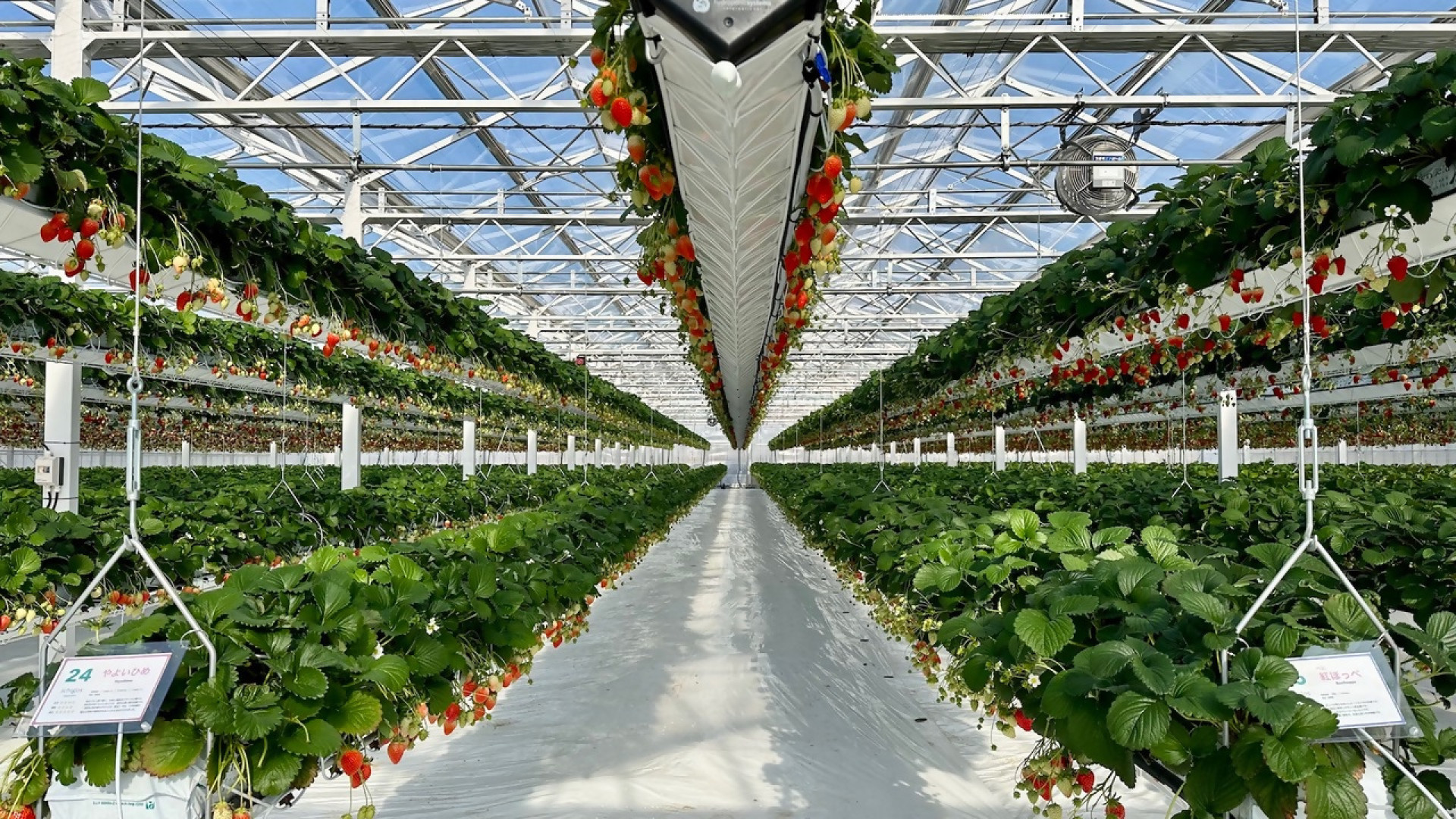
Tochigi is Japan’s largest producer of strawberries. The prefecture has the perfect environment for fresh and sweet strawberries, blessed with abundant sunshine, clear spring water, fertile land and an inland climate with a large difference between high and low temperatures. Strawberry picking is a popular leisure in strawberry farms across the prefecture. Starting with “Tochiotome”, the nation’s superstar brand of strawberry, come and sample some of the many varieties available, some of which are only grown in the prefecture. “Skyberry”, the brand-new premium variety created as a successor of “Tochiotome”, is increasingly popular. The perfect flavours and amazingly large-fruit are utterly delicious!

Nikko kaido Oshu kaido TOCHIGI