

Greater Tokyo

See & Do

reset
Oyama 2,000 Cherry Blossoms Festival

Oyama 2,000 Cherry Blossoms Festival

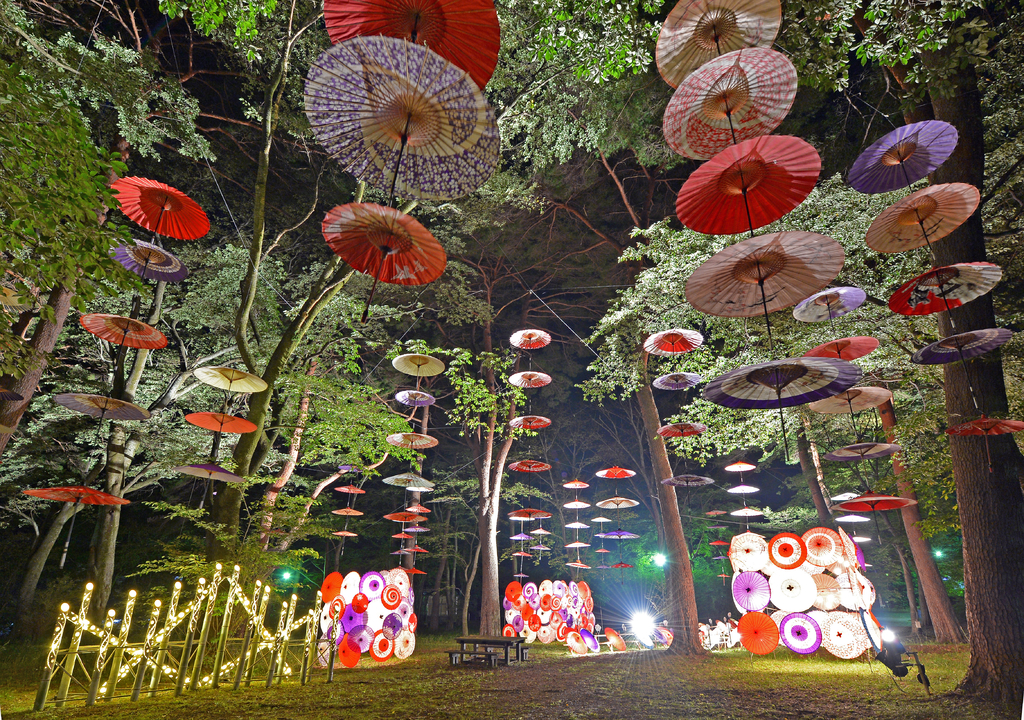
You can not only see the famous cherry trees "Someiyoshino", but also a special cherry variety "Omoigawa" trees at Oyama City. Omoigawa blooms about one week after Someiyoshino. It means we can enjoy cherry blooming for about a month at Oyama.   Many events and light up held on every cherry bloom spots in Oyama during the cherry blooming. ◆Night cherry blooming spots ①Shiroyama Park(1-1 Shiroyama-cho, Oyama City) ②Mamada Hachiman Park(2330 Mamada, Oyama City) ③Sakura Avenue nearby Toyohogawa River(nearby Kami-ishitsuka, Oyama City) ④Omoigawa Onsen(1475 Kizawa, Oyama City)

Oshu kaido Nikko kaido TOCHIGI
Itamuro Dam Lake Canoe Experience Tour

Itamuro Dam Lake Canoe Experience Tour

Nature Planet's leisurely paddling style is the perfect way to refresh yourself after a long day.   Enjoy the time flowing slowly while freeing yourself from the stresses of everyday life.   This is a canoe touring for beginners that allows you to enjoy nature in each of the four seasons.   The canoes used for the tour are highly stable recreational kayaks (double-sided paddling type), and single boats (for one person) and tandem boats (for two or three people) are available.   The field is a dam lake with no current, so even first-time canoeists can participate safely.   Need to make a reservation ■Eligibility: Healthy people between 3 and 70 years old. ■Number of applicants: 2~30 people. ■What to bring and wear: ①Wear clothes that are easy to move in and can get wet (preferably synthetic fibers). Underwear that can get wet is also recommended. ②Shoes that can get wet (sneakers or sports sandals with a fixed heel) ※Sneakers or sports sandals with a fixed heel are not acceptable. ③Towel and change of clothes. ④Other things that are good to have: Drink (plastic bottle or something with a lid that can be closed), hat, rain wear (top and bottom separates), eyeglass band (eyeglass wearers should wear eyeglass bands), sunscreen  

Nikko kaido Oshu kaido TOCHIGI
Rinnoji Temple’s Gohan-shiki (rice-forcing) Festival

Rinnoji Temple’s Gohan-shiki (rice-forcing) Festival

A Dramatic Ceremony Draws Laughter and Gasps The Gohan-shiki is a unique ceremony that has been handed down only in Nikko area. Nikko was opened as a sacred mountain for the syncretization of Shintoism and Buddhism, and mountain asceticism by mountain ascetics flourished, with the ascetics bringing back offerings made to the main deity in the mountain and sharing them with people in the village.   The entire ceremony consists of approximately three parts: the "Santen Gogyo Ku" and "Saito Daima Gomaku," the "Gohan Gonyo Ceremony," and the "Garamaki".   After the "Santen Gogyo Ku" and "Saito Daima Gomaku,"the hall becomes bright, the recipients line up on the platform, and the "ceremony of receiving rice with strength" begins. The ceremony proceeds in the following order: "Gojinshu (sacred wine)," "Prayer," "Gohan (rice)," "Naseen (rice dishes)," "Kinko (food)," and "Koyo (offering). One of the most spectacular parts of the ceremony is when a monk dressed in a mountain priest costume presents three heaping piles of rice to a kamishimo-dressed recipient, who is told to "eat 75 bowls of rice without leaving any leftovers". The comical sight of the recipient being forced to eat the rice and having it placed on his head is sure to draw laughter from the audience.   After successfully completing this ceremony, the recipients will conclude the ceremony by sowing the blessings they have received in the ceremony to the general public, in accordance with the Buddhist teaching of "not keeping the blessings for oneself but sharing them with others.   In the Edo period, only feudal lords of 100,000 koku or more could serve as a recipient, and the Tokugawa shoguns and other famous feudal lords from all over the country were named as recipient as an "honor for my clan".

Nikko kaido Oshu kaido TOCHIGI
Shinonome Flower Festival

Shinonome Flower Festival

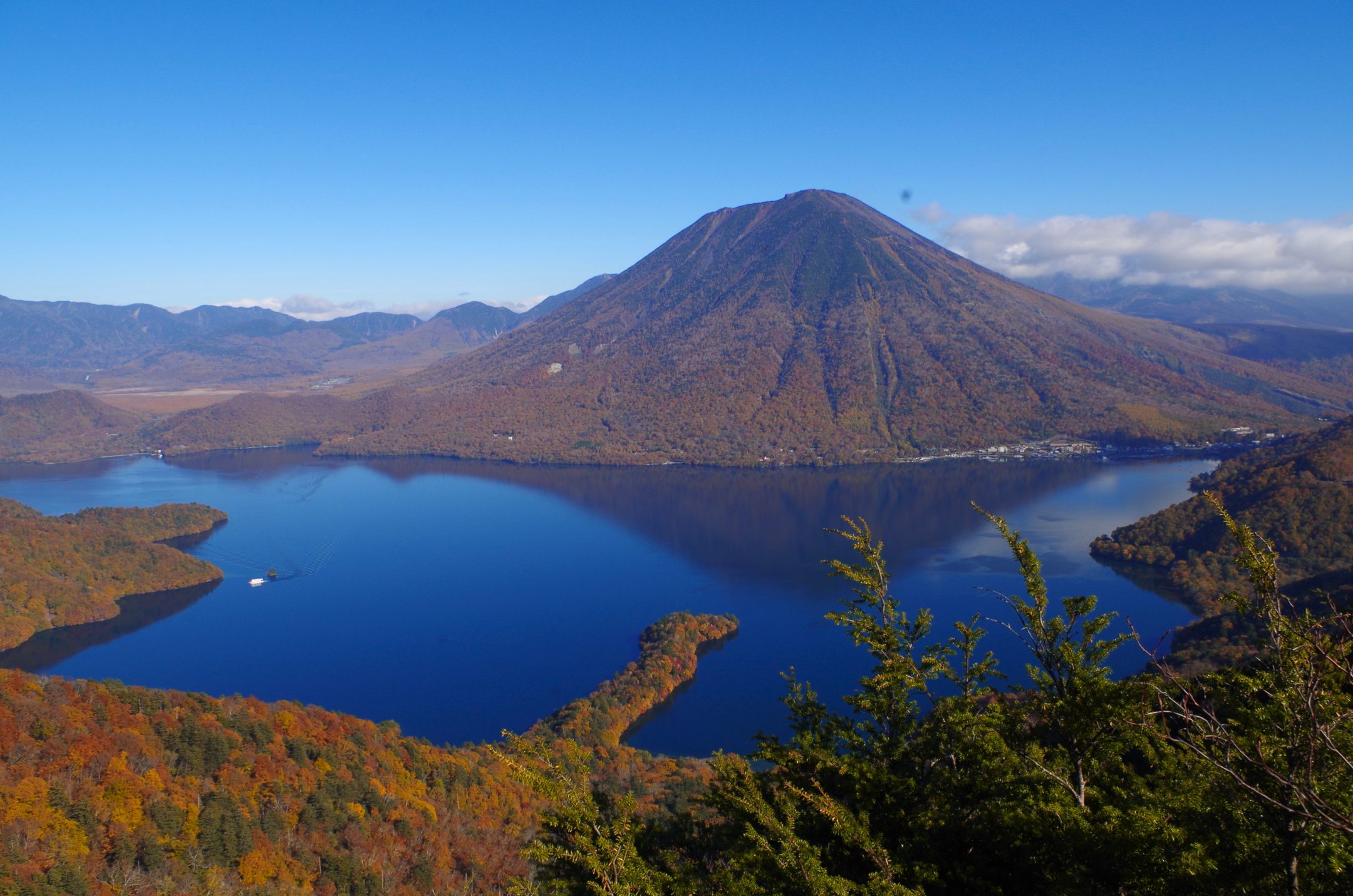
"Shinonome Flower Festival" is held at Shinonome Park from late March to early April. The sight of approximately 250 cherry trees lined up along both banks of the Kurokawa River all blooming at once is spectacular.   From the Shinonome Sakura Bridge, which is located in the park and connects the east and west banks of the Kurokawa River, visitors can enjoy a magnificent view of Mt. Nantai and blooming cherry trees. the Shinonome Sakuradai on both banks of the Kurokawa River is one of the 100 most scenic spots in Tochigi.   The nearby roadside rest stops, the Mibu Exchange Center "Miraikan", the Mibu Toy Museum, and the Toy Town Bandai Museum, also hold a variety of events in conjunction with the Shinonome Flower Festival.  

Nikko kaido Oshu kaido TOCHIGI
The Great Wisteria Festival of Ashikaga Flower Park

The Great Wisteria Festival of Ashikaga Flower Park

Ashikaga Flower Park was the only spot in Japan that had been selected as “top 10 world Dream destinations” by CNN. The garden holds “The Great Wisteria Festival” from late April to mid-May every year. You can see the Great wisteria over 160 years old which spreads over a 600-tatami trellis area, as well as the 80m-long white wisteria tunnel, the Laburnum tunnel and more than 350 other wisteria trees in full bloom. Various colors of wisteria bloom in order, from pale pink, purple, white, to yellow, which allows you to enjoy all of the wisteria for about one full month. You also can enjoy wisteria in night because the garden would be lighted up during the festival. In 2018, the JR Railway opened JR Ashikaga Flower Park Station, which make visitors to come here easily.

Nikko kaido Oshu kaido TOCHIGI
Yaitaonsen Makotonoyu

Yaitaonsen Makotonoyu

Yaita Onsen Makoto-no-Yu is a hot spring with abundance of top quality water flowing straight from the hot spring source. Every minute, approximately 370L of hot spring water gushes from 1,300m underground at a temperature of around 64℃. In addition to the selection of indoor and spacious outdoor baths, there is also a footbath, a restaurant, a cafe, barbecue facilities, and even a spot where you can make "onsen tamago", eggs boiled using hot spring water. The villas and newly opened mountain glamping facilities are the perfect place to escape the hectic fray of city life and relax in comfort while unwinding from the stresses of day-to-day life.

Nikko kaido Oshu kaido TOCHIGI
Kanahan Ryokan and Tochigi-Edo Cuisine

Kanahan Ryokan and Tochigi-Edo Cuisine

Kanahan Ryokan, located in the heart of Tochigi City, opened during the An'ei era (1772–1781). Currently, the oldest building in this inn is the one built in 1918 to accommodate officers when they came to Tochigi for large-scale army training at Tochigi Junior High School (currently Tochigi Senior High School). Kan'in-no-miya family (a branch of the Imperial Family) later stayed in this building, too. There are traditional Japanese storehouses and architecture here and there throughout the inn, allowing visitors to have a relaxing stay in the nostalgic atmosphere. The inn has guestrooms for small groups like couples, as well as rooms in an annex perfect for accommodating large groups for a long stay. Experience the atmosphere of the Edo period through the old townscape and Tochi-Edo cuisine. Tochi-Edo cuisine consists of original dishes inspired by local meals and dishes from the Edo period reproduced using copies of recipes. Culinary creativity brings out the flavor of each ingredient to give a delightful surprise to those who are accustomed to the modern taste.

Nikko kaido Oshu kaido TOCHIGI
Otono-sama Cuisine”Ohime-sama” Cuisine

Otono-sama Cuisine”Ohime-sama” Cuisine

Otono-sama (Lords') cuisine and "Ohime-sama"(Princess') cuisine are based on the menus of the Edo era's Daimyo (feudal lords). Enjoy recreations of these foods that have been adapted over 200 years and made with a unique diversity of ingredients. This cuisine is highly regarded for its healthy ingredients and playful presentation. It’s currently offered at 12 restaurants in the town of Mibumachi renowned for developing a rich menu over three years.

Nikko kaido Oshu kaido TOCHIGI
Otaki Kasen Yuhodo Path

Otaki Kasen Yuhodo Path

The Ohtaki Kasen Yuhodo is a strolling path that runs for approximately 1 kilometer from the Kinuiwabashi bridge at the upper reaches of the Kinugawa River down to the Kamitakikasen Park. Enjoy a leisurely stroll along the riverbank as you listen to the gentle babbling of the Kinugawa River. The Otaki Park is located along the route, and on a clear day you can see all the way to Mt. Keichozan. A free parking lot is located at the foot of the Kinuiwabashi Bridge, allowing you to easily take a refreshing stroll in nature amidst beautiful surroundings."

Nikko kaido Oshu kaido TOCHIGI
Nasu no Uchibento (Nasuben)

Nasu no Uchibento (Nasuben)

Nasuben is a locally produced and locally consumed lunch set that condenses the good tastes of Nasu Kogen. In reference to the legend of the nine-tailed fox, a well-known story in Nasu, the lunch comprises nine ingredients served in nine separate dishes on a tray specially made from Nasu cedar. Featuring different cuisine at every store. In 2014 “Nasuben” won the grand prize for local production and consumption of Tochigi Prefecture. You can try the famous lunch plate for 1500 Yen at Nasu."

Nikko kaido Oshu kaido TOCHIGI
Kanehon Quarry

Kanehon Quarry

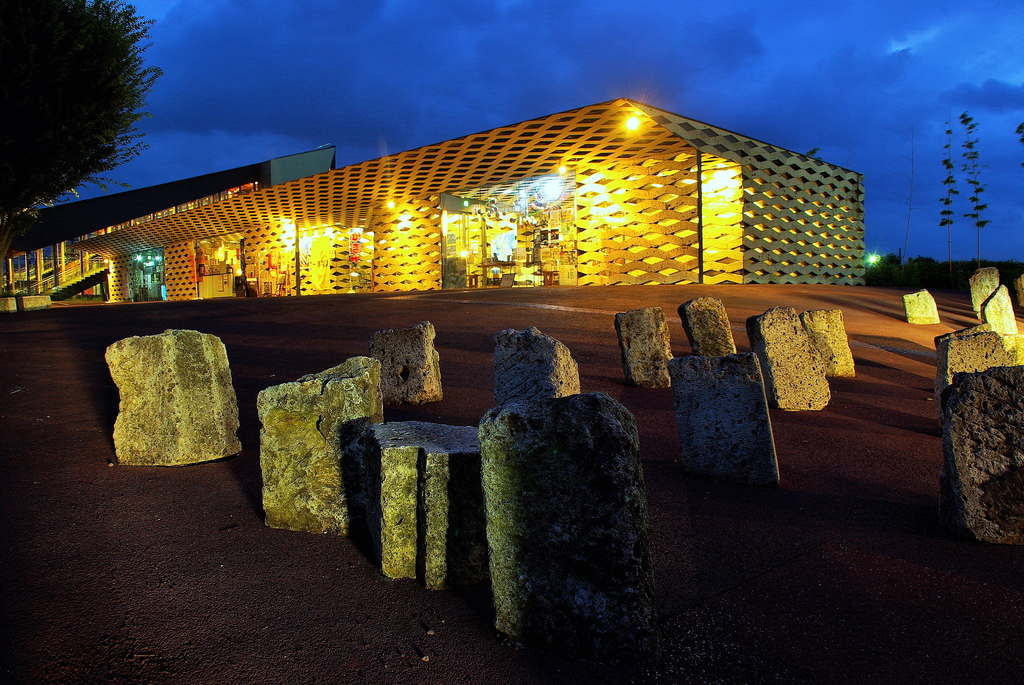
It is an operating open surface quarry of Oya stone. Next to the quarry are a stone processing plant, a stone waste dump and the mountain owner’s residence and office. You can see a flow of stone-quarrying here and make homemade pizzas in Oya stone, wood-fired pizza ovens. You can also take home a bag of Oya stone in an original KANEHON bag. Plus, there is an exclusive offer of Oya stone outlet items and Isseki series by Oya stone craftsman “Takumi” for tour guests only."

Nikko kaido Oshu kaido TOCHIGI
Shirasagi Shrine

Shirasagi Shrine

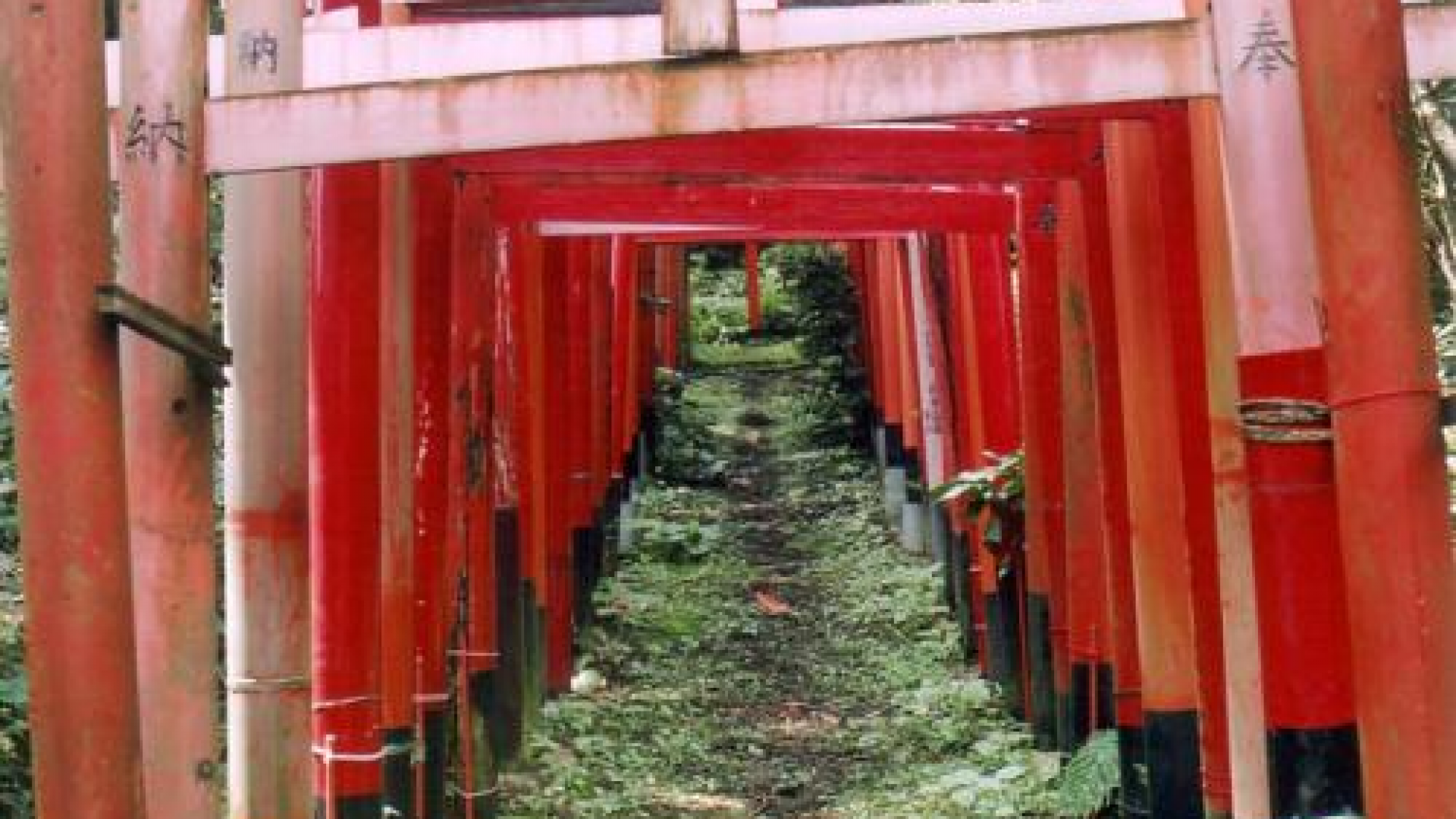
The Shirasagi Shrine enshrines Yamato Takeru, the son of the Emperor Keiko the 12th emperor of Japan who was enshrined in 783.During those ancient days, Yamato Takeru carried the sword Kusanagi and travelled throughout Japan, leading the country to peace. Legend says that as a result, his soul turned into a swan and he continues to protect peace still.The shrine is also home to Japan's largest votive picture at a width of 8m and a height of 4m, which is known a votive picture which grants wishes and bestows happiness."

Nikko kaido Oshu kaido TOCHIGI
Shika no Yu

Shika no Yu

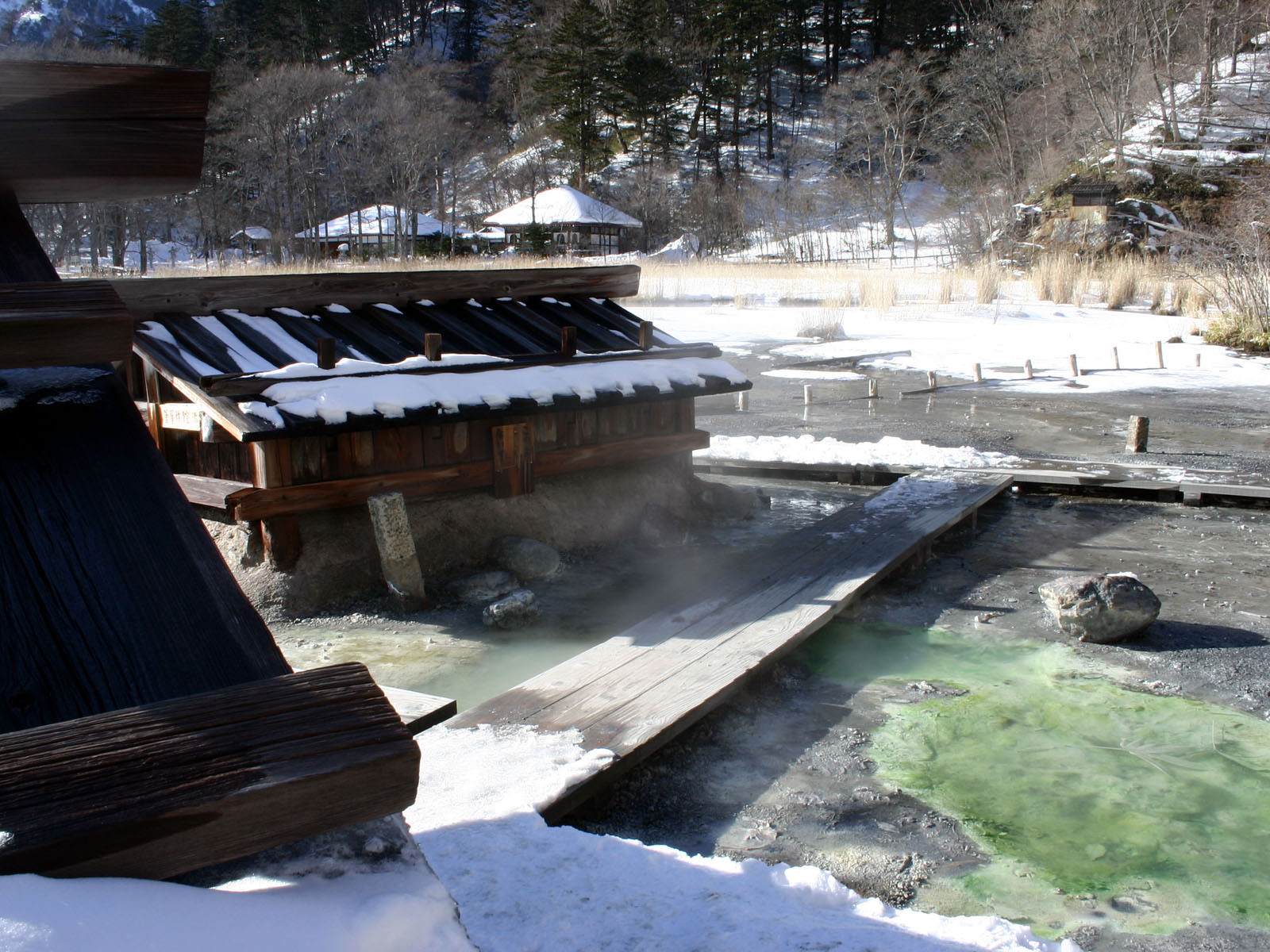
This hot spring facility is located in Yumoto, Nasu Town. It is said to have opened approximately 1,300 years ago. The origin of the discovery of this hot spring is said to be that a county official was hunting in the mountains and chased a deer that he missed shooting, and the deer healed its wounded body with the hot spring. It is considered the oldest hot spring in Tochigi Prefecture, and many of the surrounding hot-spring hotels use it as their spring water source. The baths are divided into six temperature levels ranging from 41–48 degrees Celsius (there is no 48-degree women’s bath). It is said that by following the bathing protocol, such as pouring water over yourself before entering the bath, you can increase the hot spring’s effects.

Nikko kaido Oshu kaido TOCHIGI