
Greater Tokyo

See & Do

reset
Akanuma Nature Information Center

Akanuma Nature Information Center

This information center is located in Akanuma, the entrance to Senjogahara. It provides information on the nature, hiking trails, and other aspects of parts of the Okunikko area such as Senjogahara and Odashirogahara. It serves as the low emission bus shelter as well as the departure point for Odaisirogahara, Sainoko, and Senjugahama. The information center also features informational exhibits on the origins of Senjogahara, its seasonal flowers, and other topics. The center also conducts nature tours and other activities during the high season.

Nikko kaido Oshu kaido TOCHIGI
Okada Memorial Museum

Okada Memorial Museum

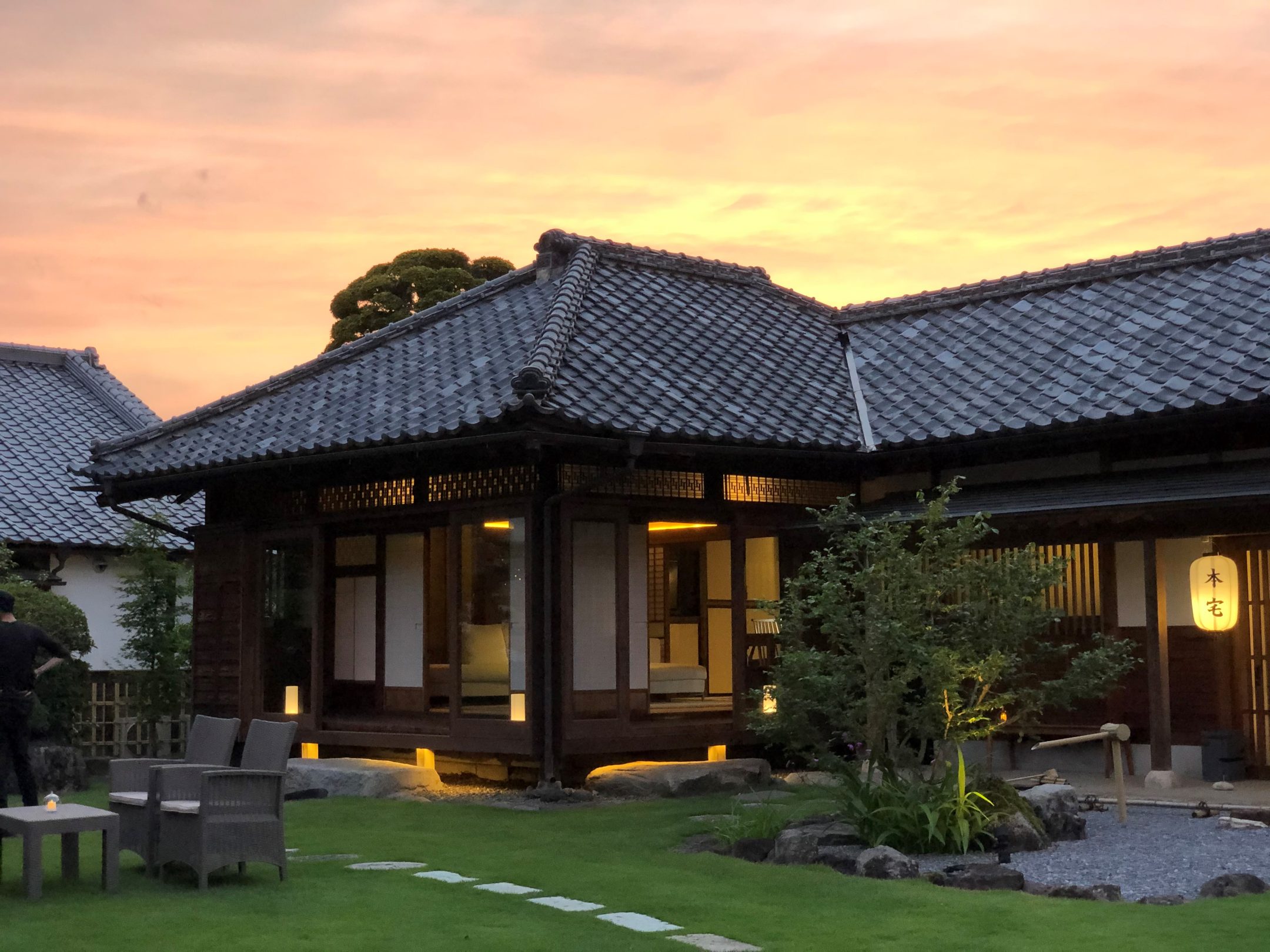
This memorial museum celebrates the Okada family, a family whose history dates back over 550 years and which was once one of the leading families of Tochigi City. The museum's expansive grounds sprawl across some 13,000 square meters, inside, the museum displays treasures passed down through the generations in the Okada family. Said to have moved to the area from distant Sanjo in Kyoto, in the Edo period the family is said to have provided leadership in creating the foundations of daily life and to have contributed to the building of a stable community. Later, the Tokugawa clan gave the area the title of Kauemon Shinden Village, which then became Kauemon Shinden Town (now Kauemon-cho)."

Nikko kaido Oshu kaido TOCHIGI
Stone Museum in Ashino, Nasu

Stone Museum in Ashino, Nasu

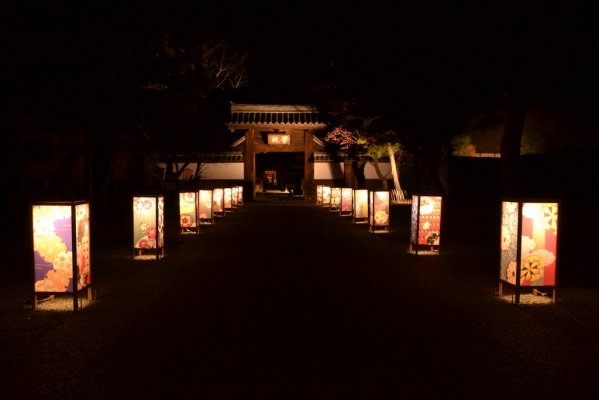
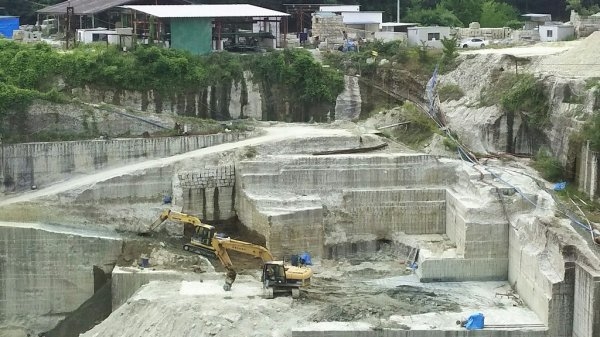
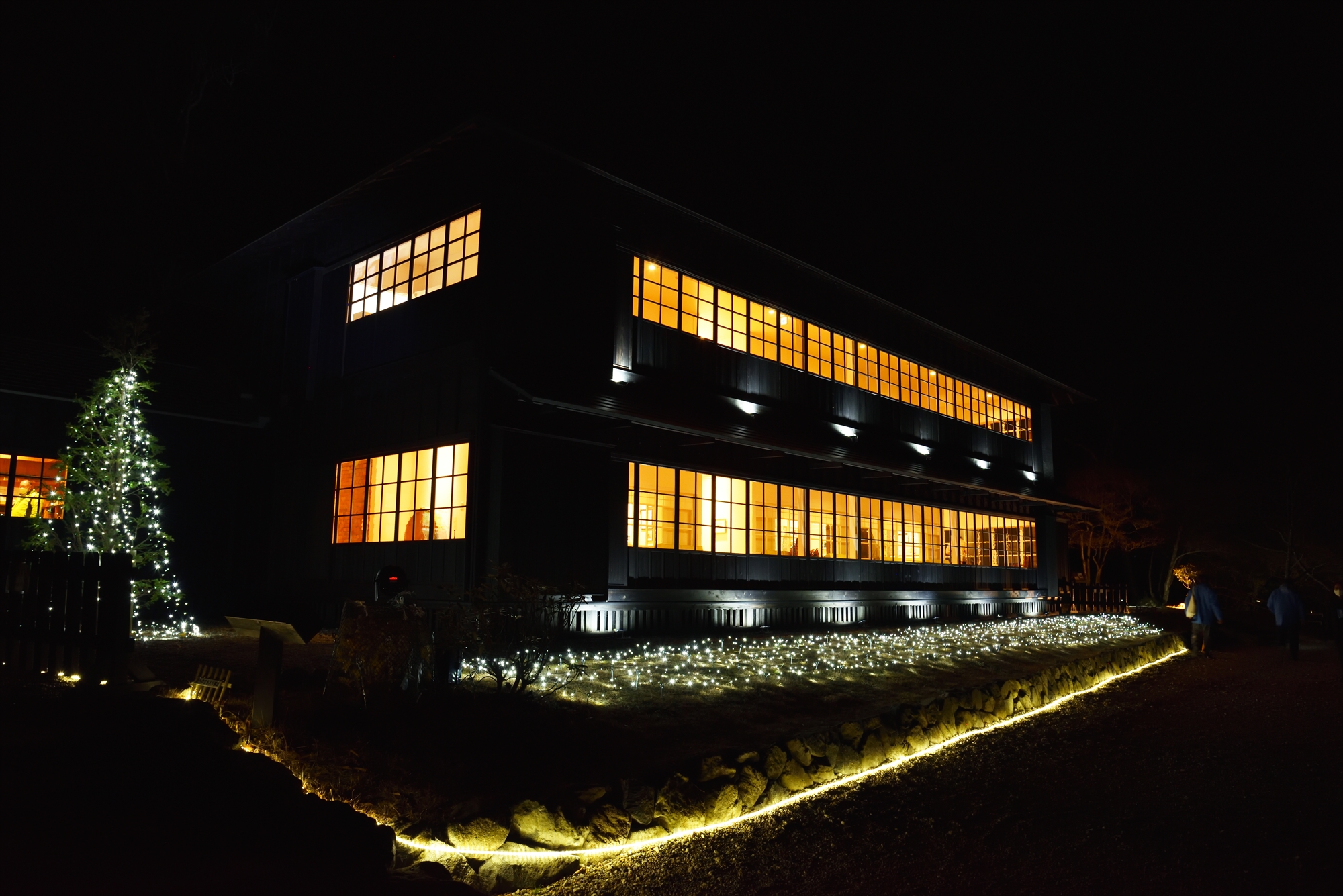
This modern art museum was created by transforming an old rice stone warehouse, redesigned by internationally acclaimed architect Kengo Kuma. The building itself is a beautiful space composed of stone, water, and light, making it not only a cultural site but also a popular photo spot. In winter, as the daylight fades, the lights from each building—divided by a flowing waterway—create a magical and dreamy atmosphere, offering a breathtaking seasonal view. Kengo Kuma (born 1954) is one of Japan’s most celebrated architects, known for projects such as the Nezu Museum in Aoyama, Tokyo, and GINZA KABUKIZA. More recently, he gained worldwide recognition for designing the new National Stadium in Tokyo. His architectural style, which features natural materials and lattice designs, is highly praised both in Japan and abroad. After a renewal in November 2024, the museum reopened with several new features. A café now adjoins the entrance, offering drinks brewed by a professional barista using an espresso machine. The revamped “Stone Lounge” invites visitors to relax while enjoying furniture designed by Kengo Kuma. The roof of the main gallery—the largest of the museum’s three historical stone warehouses—has also been renovated using Ashino stone, the same material as the building’s exterior. The entrance area is freely accessible without an admission ticket, allowing guests to enjoy shopping or a casual drink even without entering the exhibition area.

Nikko kaido Oshu kaido TOCHIGI
Shiobara Imagination Archives

Shiobara Imagination Archives

This composite facility can be found along the Shiobara Valley Line in Shiobara, Nasushiobara City. You’ll find exhibits on Shiobara’s history and literature as well as a shop selling souvenirs and local produce, a cafe and restaurant specializing in western dishes made with local ingredients. There’s also a foot bath facility utilizing on-site hot spring water as well as a tourism information section and valley observation platform. "

Nikko kaido Oshu kaido TOCHIGI
Nasu Alpaca Farm

Nasu Alpaca Farm

The first and largest alpaca farm in Japan.This alpaca farm is located along Prefectural Route 305 in Oshima, Nasu Town. About 400 alpacas are being raised on the expansive grounds of the ranch. Throughout the four seasons, you can enjoy watching the alpacas amidst the natural scenery of Mt. Nasudake. Fluffy four-legged friends are waiting for your visit, you can feed them, take a stroll with them, and take many unique photographs together with them. Enjoy watching and petting lovely wonder alpacas!"

Nikko kaido Oshu kaido TOCHIGI
Izurusan Manganji Temple

Izurusan Manganji Temple

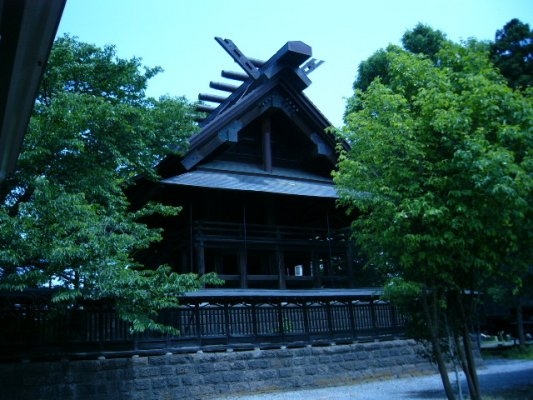
Izurusan Manganji Temple was founded in the year 767, approximately 1200 years ago.  This Shingon Buddhist Sect Chizan School Temple in Tochigi City is dedicated to the Thousand-Hand Kanzeon Bodhisattva. It is known as being a powerful spiritual location surrounded by forests and water with perpetual services offered for the deceased, zen meditation, and waterfall meditation. Nestled in nature with towering trees and fresh crisp air, the main temple, Omido, was built in 1368 and was reconstructed in 1764 after the great fire of 1740. The main temple hall has been designated a Prefectural Cultural Property whereas the Deva gate has been designated a City Cultural Property and the Izuru limestone caverns have been designated as City Natural Monument."

Nikko kaido Oshu kaido TOCHIGI
Tochigi Prefectural Museum

Tochigi Prefectural Museum

The Tochigi Prefectural Museum in Utsunomiya City is located in Tochigi Central Park and collects, preserves, and researches materials relating to Tochigi's nature and culture. This museum was opened as a general museum aimed at deepening understanding of Tochigi's nature and culture in October of 1982. The 72m spiral slope flora and fauna of Nikko, Tochigi's most famous area, exhibit is a site to see.The exhibition displays the animals in order of elevation and environment from the 600m elevation of the area around the Shinkyo Bridge to the 2578m elevation of the peak of Mt. Shirane. The exhibition rooms introduce the history of Tochigi from its geological age to the present, with themes on each era in chronological order, making the history easy to understand.The museum also hosts a variety of other themed exhibitions and planned exhibits as well as exhibits on nature, geology, plants and animal introductions."

Nikko kaido Oshu kaido TOCHIGI
Ryuka falls

Ryuka falls

Ryuka Falls is a famous waterfall which flows and falls over 3 drops, and is both beautiful and imposing. There is a viewing platform close to the waterfall basin where visitors can feel the force of the waterfall. Even among the many waterfalls of Shiobara, said to be as many as 100, this fall ranks in the top 10 most famous. There is a promenade which makes for an easy to walk course, which is only a short distance and with very little height variation, making it easy for even for families to enjoy the walk together."

Nikko kaido Oshu kaido TOCHIGI
Gohanshiki

Gohanshiki

*Gohanshiki has been cancelled in 2020. This traditional ceremony is still observed only at Nikkosan Rinnoji Temple. In this ceremony, people are forced to eat a large amount of rice. Cooked rice are offered on a large plate and every grain are urged to eat. The big bowl contains 5.4 litres of rice. No one actually eats the rice, but it is said that those who participate in the ceremony will have a family fortune and a healthy life. This sacred rice dedication ceremony is part of Nikko's ancient mountain Buddhism. By doing that, it is believed that the blessing of Buddha will immediately eradicate the Seven Major Misfortunes such as fire, floods, devils, etc., and the people will receive the Seven Major Fortunes. It is said that even feudal lords such as the Tokugawa Shogun Families and other famous feudal lords across Japan joined this ceremony in the Edo period."

Nikko kaido Oshu kaido TOCHIGI