Greater Tokyo

See & Do

reset
Itamuro Onsen

Itamuro Onsen

A peaceful Onsen resort in the mountain ravines located in the western Nasu mountains. The clear alkaline hot spring water is known for its health benefits and the Onsen was designated as a “National Health Spa” by the Ministry of the Environment in 1971. Nestling into a natural landscape and surrounded by a richly preserved environment, most visitors come here for in search of the renowned health effects. Long known as a rustic therapeutic spa, the Onsen maintains its distinctive atmosphere. The temperature of the source of spring water is from 38℃ to 45℃, and its lukewarm water is gentle to the body.

Nikko kaido Oshu kaido TOCHIGI
Yumoto Onsen

Yumoto Onsen

A peaceful Onsen town on the northern shore of Lake Yunoko, situated in the heart of Nikko National Park. It is said that the Buddhist monk Shodo Shonin, who first built a temple in Nikko about 1200 years ago to introduce Buddhism to the area discovered the Onsen. The milky-white sulphur-infused water is said to help with neuralgia and rheumatism. You can try it out in the foot bath known as “Anyo-no-yu” available free of charge in the town.(Closed for winter)   Taking in the tranquil landscape of the lake and mountains beyond clouds of steam, the Onsen provides a relaxing soak in the midst of some great nature.

Nikko kaido Oshu kaido TOCHIGI
Bannaji Temple

Bannaji Temple

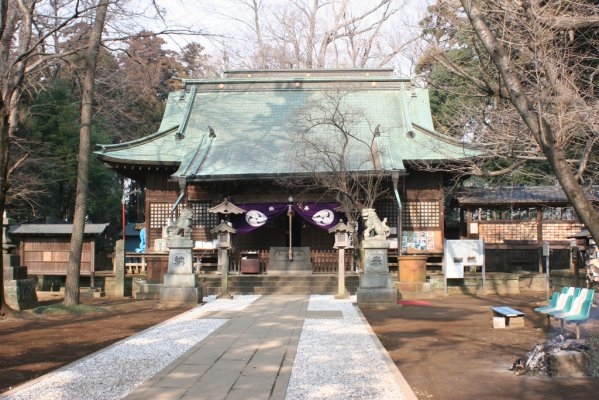
History of Bannaji Temple On the site of the present-day Bannaji Temple, a powerful samurai called Minamoto no Yoshiyasu, who was as famous as Taira no Kiyomori and Minamoto no Yoshitomo (the father of Minamoto no Yoritomo and Minamoto no Yoshitsune) built his castle at the end of Heian period. He is the first generation of Ashikaga family.   In 1196, Ashikaga Yoshikane, the son of Yoshiyasu, built a hall dedicated to Dainichi Nyorai, and the 3rd head of Ashikaga family, Ashikaga Yoshiuji, built a hall tower and other buildings. Since that, the Bannaji Temple bacame the clan temple of Ashikaga family. 150 years later, the 7th head of the family, Ashikaga Takauji, founded the Muromachi Shogunate, which gave the Ashikaga family the reign of Japan. Even in the Edo period, as the temple of the Ashikaga family, the direct descendant of the Minamoto clan, was revered and protected by the Tokugawa Shogun, who claimed to be a member of the Minamoto clan.   Became the National Treasure of Japan In 1923, Bannaji Temple was designated as a National Historic Site as the "Ashikaga Family Residence". The main hall, the bell tower, and the sutra hall were designated as National Important Cultural Properties. It was selected as the one of the 100 most famous castles in Japan. The 40,000-square-meter territory is laid out in a square shape, surrounded by a circular fortress and a moat, and retains the characteristics of the Kamakura period's Buke Yashiki (samurai's house).   Annual Events On February 3, the temple hosts the Ashikaga Setsubun Armor Parade, in which more than 150 participants dressed as samurai and wearing armor parade to Bannaji Temple and then perform the bean-scattering ceremony. In spring, you can enjoy cherry blossoms, and in fall, you can see the leaves of the city's natural monument, the Ginkgo tree (about 600 years old), turn yellow, and the beauty of the tree is breathtaking.      

Nikko kaido Oshu kaido TOCHIGI
Kinu-numa Marsh

Kinu-numa Marsh

Being 2,000 metres above sea level, this marsh is the nation’s highest wetland and is known for its abundant alpine plants. In the wetland where spring comes late, July is the best time to view the alpine plants blossoming one after another. The grass starts to turn yellow in late August and the leaves paint the entire wetland flaming red in mid-September. Plants and trees are lightly dusted with snow in November and you can see the arrival of migratory birds. Enjoy the diverse nature of each and every one of the seasons!

Nikko kaido Oshu kaido TOCHIGI
Lake Chuzenji

Lake Chuzenji

Lake Chuzenji is the largest lake in Tochigi, framed by 25 kilometres of incredible nature. The area used to be a popular summer resort for foreigners in the late 19th to early 20th centuries. The villas of French and Belgian embassies can still be found here. You can enjoy seasonal charms by the lake. Walking trails surround the water’s edge and there is an excursion boat available on the lake. The views from the lake are spectacular, particularly when the cherry blossoms or azaleas are blooming or when the autumn leaves are turning. The “Koyo-meguri” tour, enjoying autumn leaves reflecting on the lake, is highly recommended.

Nikko kaido Oshu kaido TOCHIGI
Tosho Onsen (Day-Use Hot Spring)

Tosho Onsen (Day-Use Hot Spring)

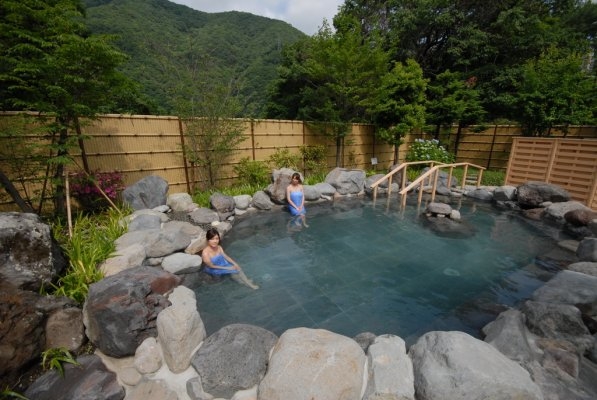
Tosho Onsen, located in Imaichi in Nikko City, is a popular day-use hot spring facility loved by both locals and visitors. The facility features an outdoor rotenburo designed like a Japanese garden, where you can enjoy a distant view of Mt. Nikko’s mountains. Indoor baths are equipped with handrails, ensuring a safe and relaxing soak for visitors of all ages. During the winter solstice, guests can experience a seasonal yuzu bath, said to promote circulation and keep the body warm. The spacious rest areas and on-site restaurant offer hearty local dishes such as charcoal-grilled chicken, making it an ideal spot to unwind both body and mind.

Nikko kaido Oshu kaido TOCHIGI
Nijimi Falls

Nijimi Falls

When sunlight hits the spray of the waterfall, a dreamy rainbow appears, making this a breathtaking highlight of your hike. Nijimi Falls is a symbolic scenic spot near Ryuokyo Gorge in Nikko. It is named after the rainbow often created by sunlight shining through the mist. The waterfall is about 20 meters high, and its powerful flow creates a misty spectacle. Visitors can enjoy close-up views of the waterfall from different angles along the well-maintained trail. This spot is an important stop along the Ryuokyo Gorge walking route. The trail is surrounded by lush nature, offering cool shade in summer, vibrant autumn leaves, and refreshing air all year round. It is recommended to wear sturdy walking shoes and take your time exploring. Particularly on sunny mornings, this is the best time to capture photos of the rainbow created in the mist.

Nikko kaido Oshu kaido TOCHIGI
Mount Nantai

Mount Nantai

Mount Nantai is one of the representative peaks of the Nikko Mountains, standing at 2,486 meters. Towering over the northern shore of Lake Chuzenji, it offers magnificent scenery. Since ancient times, the mountain has been revered as a sacred object of worship. At its summit stands the Okumiya Shrine of Futarasan Shrine. Mount Nantai is also called “Futarasan.” The name “Futarasan” originates from the Buddhist term “Fudaraku.” Every year, a mountain-opening festival is held on July 31, and from midnight on August 1, many worshippers begin their pilgrimage from Futarasan Shrine’s Chugu Shrine, heading toward the summit to greet the sunrise. In addition, Lake Chuzenji, Kegon Falls, Ryuzu Falls, and the surrounding grasslands and fields at the foot of Mount Nantai were all formed by volcanic activity of the mountain. The official climbing season runs annually from April 25 to November 11. Starting from Futarasan Shrine’s Chugu Shrine, the climb to the summit takes about 6 to 8 hours round-trip. ※Climbing fee is 1,000 yen per person.※Reception hours are from 6:00 a.m. to 12:00 noon.※Entry is not permitted after 12:00 noon.※Please bring your own bear bell.

Nikko kaido Oshu kaido TOCHIGI
Tempyo Flower Festival

Tempyo Flower Festival

The Usuzumi Zakura of Neo, the Jindaizakura of Yamataka, and the Miharu Takizakura are known as Japan’s Three Great Cherry Trees. These, along with the Ishiwari Zakura of Morioka, the Kosonju tree, and others, are all gathered at Tenpyo-no-Oka Park. From late March, when the Usuzumi Zakura begins to bloom, until late April, when the double cherry blossoms reach their peak, visitors can enjoy breathtaking cherry blossoms blooming throughout the park for an entire month. In addition to stalls run by local vendors, the festival features stage performances such as enka singing shows, appearances by manga characters, and rides on the “Shōnen Ressha” road train, making it a perfect spot for a family outing. The park also has a charming café called “10 Picnic Tables,” converted from an old farmhouse, offering a retro yet artsy atmosphere that contrasts with the main stage area. Visitors can enjoy delicious food while relaxing in a scenic, laid-back setting. Be sure to visit Tenpyo-no-Oka Park and experience the magic of cherry blossoms in full bloom.

Nikko kaido Oshu kaido TOCHIGI
Fairfield by Marriott Tochigi Nikko

Fairfield by Marriott Tochigi Nikko

This hotel is just a five-minute drive from the World Heritage Site "Shrines and Temples of Nikko," including Nikko Toshogu Shrine. Surrounded by abundant nature, you can enjoy beautiful scenery that changes with the seasons from the guest room windows. The 25-square-meter rooms exude the warmth of wood, and although compact, they are spacious and functional, and the bathrooms are rain shower-type, so you can enjoy the comfort of being enveloped in soft rain. With a comfortable stay and easy access to tourist spots, this hotel is the perfect base for sightseeing in Nikko.

Nikko kaido Oshu kaido TOCHIGI
OOSEYANA

OOSEYANA

Yana is a trap to catch sweetfish that swim down the river to lay their eggs. The trap is a screen made with finely divided and stripped bamboo placed on a bamboo scaffolding where the water flow is blocked in a V-shaped depression. Ooseyana in Motegi Town in Tochigi boasts the largest yana trap among many traps placed on the Naka River. What’s most entertaining about yana fishing is that you can catch sweetfish while feeling the powerful flow of the Naka River over your feet. The catch is largest between the second half of September and the end of October. At the restaurant, you can savor freshwater fish dishes such as grilled sweetfish with a sprinkle of salt and deep-fried sweetfish while enjoying the river view.

Nikko kaido Oshu kaido TOCHIGI
Rossa Berry

Rossa Berry

Rossa Berry is a tourist farm that offers strawberry-picking. It is located by National Route 293, halfway between the Oya area, which has been registered as a Japan Heritage Site, and the famous roadside station Romantic Village. It grows Tochigi strawberry breeds such as Tochi-Aika and has a shop and a café. The shop sells strawberries from the farm and their original processed products. After having fun picking strawberries, enjoy gelato and smoothies in the shop’s café space. At Rossa Berry, the strawberry-picking season runs from the end of December to early June the following year. Please come and experience picking beautiful jewelry-like strawberries that have ripened in abundance throughout the greenhouse.

Nikko kaido Oshu kaido TOCHIGI
Kurobane Furusato Bussan Center Restaurant

Kurobane Furusato Bussan Center Restaurant

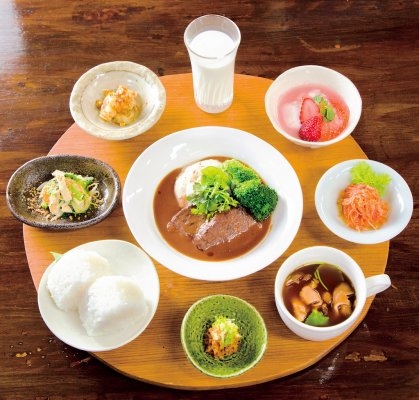
A traditional Japanese house built over 170 years ago has been relocated to the Kurobane Furusato Bussan Center. This building with a thatched roof houses Kurashi no Yakata and a restaurant. At the restaurant, ‘Oroshi Soba ― Yamizo Asagiri hand-picked soba ―’ is one of the popular menu items made with locally produced buckwheat flour. Adjacent to the restaurant is the Bussan Center. There, you can buy delicious vegetables produced by local farmers and steamed buns made with love. They also sell additive-free homemade miso called Ginjo Ichinen Miso. It is popular because miso soup made with this miso in the morning stays tasty until night.

Nikko kaido Oshu kaido TOCHIGI